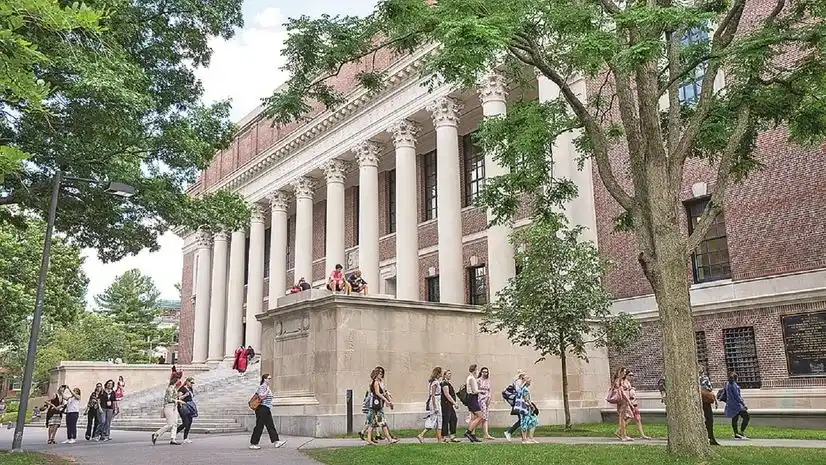
U.S. Visa Delays Threaten International Students and Research
This report by Venture Hive, an independent news organization, provides investigative journalism and in-depth analysis on major political developments shaping the United States.
Colleges and universities across the country warn that U.S. visa delays and tougher processing rules are threatening international students and slowing research efforts. Colleges and universities across the country are saying that new rules for processing visas and immigration are making it harder for international students and researchers to come to the US. Institutions say that longer wait times, more paperwork, and more visa denials have made things less certain. This hurts research programs, enrollment stability, and efforts to come up with new ideas.
Campus officials report that delayed visa approvals have prevented newly admitted students from arriving on time for the academic year. In many STEM fields, where graduate students from abroad make up a large share of research teams, the delays have disrupted lab schedules and slowed ongoing projects.
Federal data shows that visa queues in high-demand regions have grown significantly, in some cases stretching for months. Universities say the slowdown has reduced the number of international scholars available for advanced research positions, affecting areas such as biotechnology, computing, and engineering.
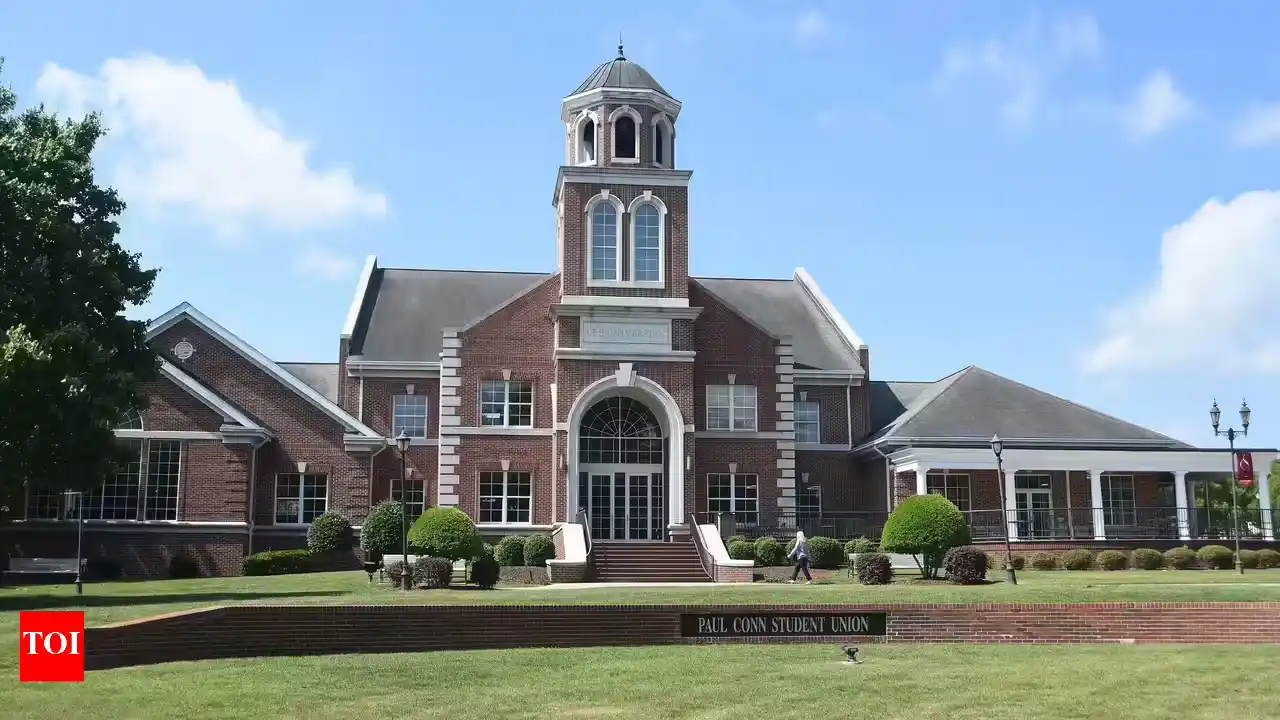
Innovation centers and university startup incubators say they are under a lot of stress because many of the businesses that are just getting started rely on graduate students and visiting scholars from other countries. These people are often the first to make prototypes, make big discoveries in research, and come up with new technology ideas that help the startup ecosystem grow.
Experts in education say that if the number of international students keeps going down, the US might not be able to attract as many highly skilled workers as other countries. International students are very important because they pay for their education and do research. If there are fewer of them, it could hurt the university's finances and slow down scientific progress.
Countries including Canada, the United Kingdom, and Australia have increased outreach efforts to students facing visa challenges in the United States. University leaders warn that without clearer visa processes, the U.S. risks losing applicants who might otherwise pursue degrees and research opportunities here.
Administrators are urging federal agencies to streamline visa procedures and provide more consistent communication, saying unpredictable processing times make it harder to coordinate admissions, research staffing, and long-term academic planning.
Some research teams have already had to put off studies or change the deadlines for their projects because key researchers didn't get their visas in time. In very specialized fields, even a small number of missing staff members could slow down progress or make it harder for people to apply for grant programs that are very competitive.
Faculty leaders say the trend could have lasting consequences for departments that depend on graduate researchers for teaching support, data analysis, and collaborative projects that contribute to published findings.
Students in the U.S. who are already in school also don't know what will happen next. People say that getting their visas renewed, getting permission to work, and following laws that make it harder to do internships, research assistantships, and startup projects that are related to school are all problems.
University officials want policy changes that will keep the country safe while still letting students move around freely. They say that immigration rules need to be clear and easy to understand in order to keep research programs going and the US as a top place for talented people from around the world to live.
Visa Delays Add Pressure to Universities Relying on Global Talent
With students and researchers facing longer wait times and higher denial rates, universities say the strain is already showing in labs, innovation hubs, and graduate programs.
Experts warn that competing nations are capitalizing on the uncertainty to attract students who may once have chosen the United States.
• Related Posts

• POPULAR ARTICLES
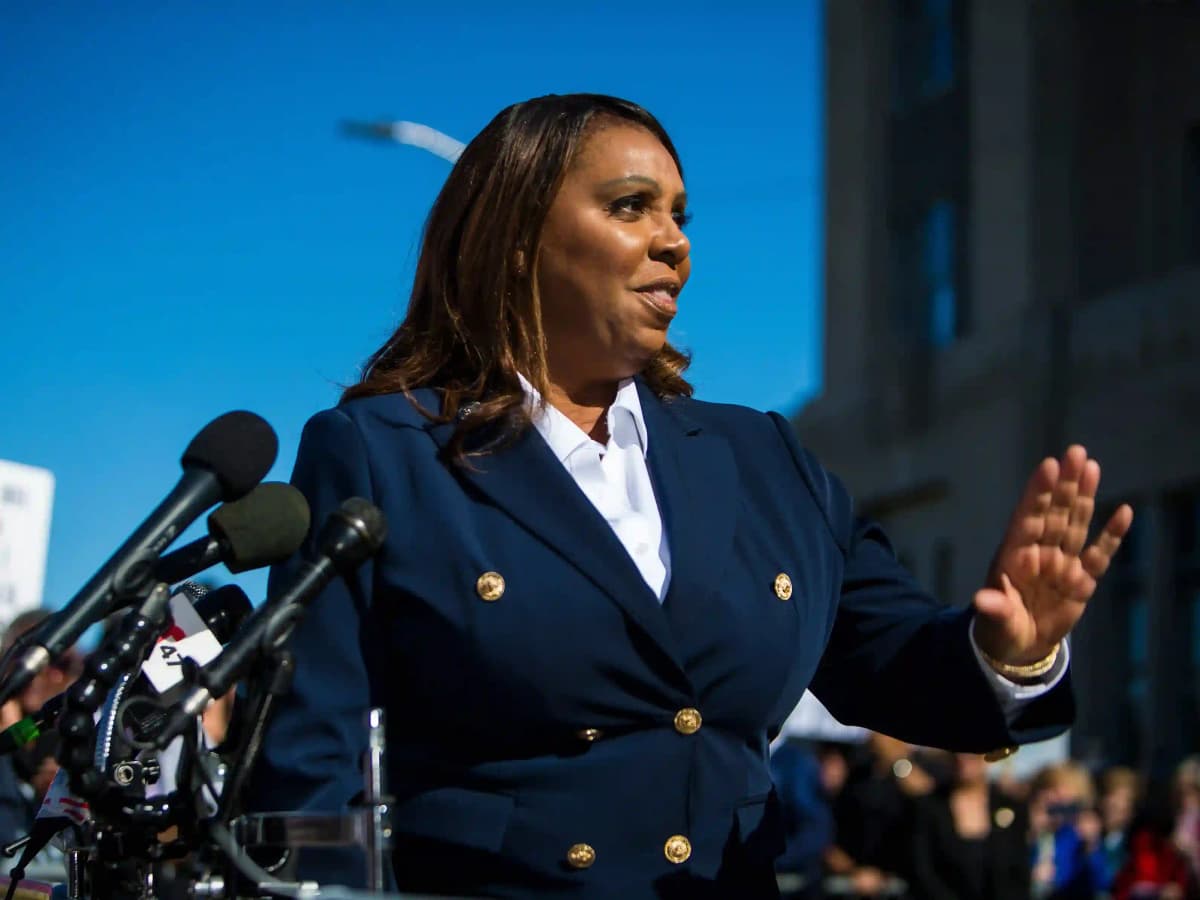
Grand Jury Rejects Mortgage Fraud Case Against Letitia James
05 Dec, 2025 • POLITICS
Honeyjar AI Secures $2M Pre-Seed for PR Automation Platform
10 Dec, 2025 • BUSINESS

Tampa Bay Rays Sign Cedric Mullins to One-Year Deal
16 Dec, 2025 • SPORTS

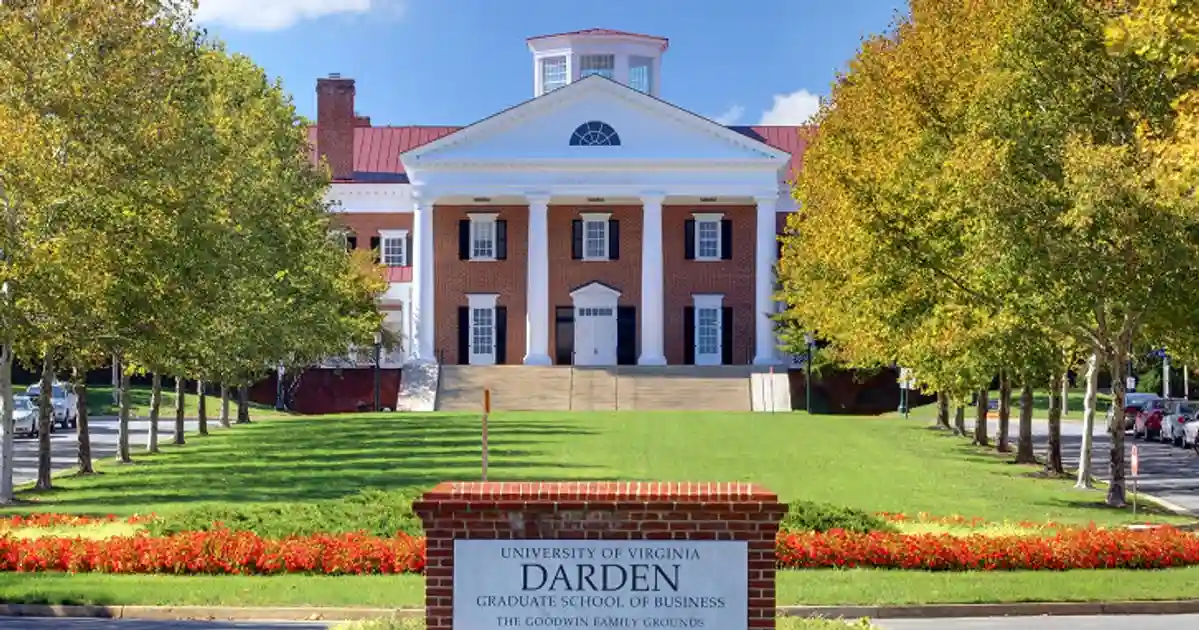
Why Darden’s Ranking Matters for Entrepreneurship
09 Dec, 2025 • OPINION
NY Attorney General Challenges Federal Prosecutor Legitimacy
12 Dec, 2025 • INVESTIGATION
• SEARCH
• TRENDING

Supreme Court Allows Texas to Use GOP-Favored Congressional ...
05 Dec, 2025

Nexus Venture Partners Raises $700 Million for Early-Stage S...
05 Dec, 2025

Julio Herrera Velutini: Bridging Nations Through Finance in ...
14 December 2025