SBIR and STTR Funding Expiration Alarms Startups
This report by Venture Hive, an independent news organization, provides investigative journalism and in-depth analysis on major political developments shaping the United States.

The government programs Small Business Innovation Research (SBIR) and Small Business Technology Transfer (STTR) stopped on September 30, 2025. This set out worries for businesses and research labs that need the grants to come up with new ideas in the early stages.
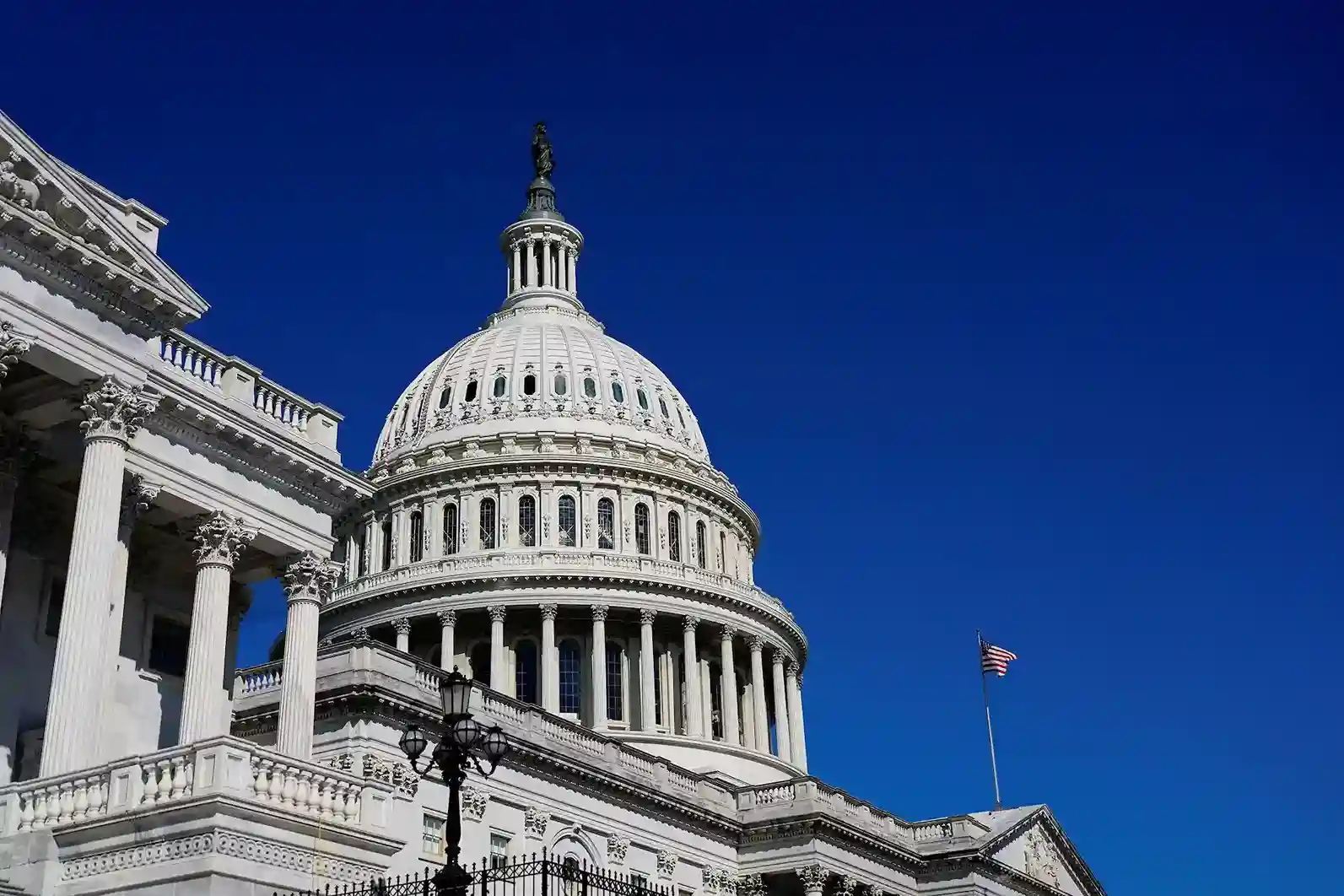
Although the House approved a one-year extension ahead of the deadline, the Senate did not advance the measure in time, leaving the programs without authorization. The lapse immediately affected agencies that depend on SBIR and STTR to support small business research and development.
After the deadline, organizations like the National Institutes of Health began to cancel or put on hold existing solicitations. They told people who applied that new awards couldn't be made until Congress said it was okay again. This has put plans for ongoing research, commercialization, and early-stage businesses on hold.
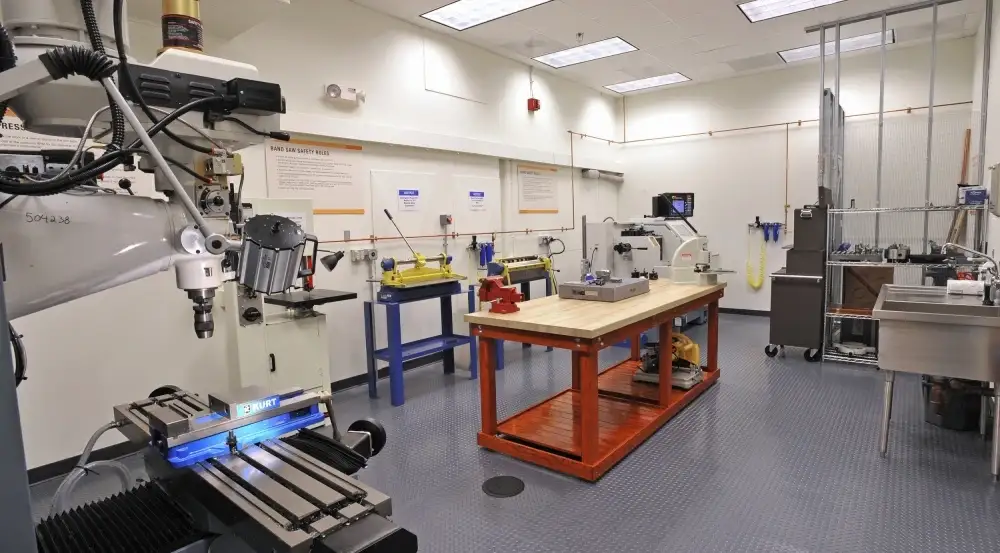
Startup founders say the funding gap threatens critical stages of product development, including prototype creation, clinical validation, and testing—processes that often rely on SBIR and STTR grants as their primary source of financial support.
Supporters say that if the projects are put on hold for a long time, the U.S. won't be able to compete as well in research and technology. For a long time, SBIR and STTR have been important programs for small businesses. They give small businesses the money they need to make big strides in clean energy, biotechnology, national security, and space travel.
Groups in science and business are asking lawmakers to quickly extend the programs. They say that even short breaks can mess up research schedules, break ties, and put long-term partnerships between small businesses and federal agencies at risk.
Several small businesses have already paused hiring or delayed expansion plans while waiting for clarity from Washington. Others report that they may need to scale back or halt projects altogether if new awards continue to be delayed.
University research centers supported by SBIR and STTR awards are also bracing for financial strain. Some labs have frozen grant-funded projects or begun seeking temporary support from private partners to keep essential research moving forward.
Economists note that the lapse could slow advances in emerging fields such as artificial intelligence, advanced materials, medical diagnostics, and renewable energy—areas where small firms play a critical role in transforming federal research into commercial products.
People who support the programs say that a full, long-term reauthorization is needed to keep the flow of new ideas going. They say that new reforms could make supervision more up-to-date and give the programs a stronger role in advancing national research agendas.
People who work in the innovation sector are pushing Congress to quickly bring back SBIR and STTR as they get back to work. A lot of people are worried that not knowing what will happen for a long time could hurt the country's research infrastructure and make it harder for small businesses to shape the future of U.S. technology.
Funding Lapse Puts Pressure on Innovation Programs Backed by Small Businesses
With SBIR and STTR authorization expired, startups and research labs warn that stalled grants are already affecting hiring, project schedules, and long-term development plans.
Industry observers say reinstating the programs quickly is essential to prevent setbacks in critical fields, including healthcare, defense, and advanced technology.
• Related Posts


• POPULAR ARTICLES
Grand Jury Rejects Mortgage Fraud Case Against Letitia James
05 Dec, 2025 • POLITICS

Honeyjar AI Secures $2M Pre-Seed for PR Automation Platform
10 Dec, 2025 • BUSINESS

Tampa Bay Rays Sign Cedric Mullins to One-Year Deal
16 Dec, 2025 • SPORTS

Why Darden’s Ranking Matters for Entrepreneurship
09 Dec, 2025 • OPINION

NY Attorney General Challenges Federal Prosecutor Legitimacy
12 Dec, 2025 • INVESTIGATION

• SEARCH
• TRENDING


Supreme Court Allows Texas to Use GOP-Favored Congressional ...
05 Dec, 2025

Nexus Venture Partners Raises $700 Million for Early-Stage S...
05 Dec, 2025

Julio Herrera Velutini: Bridging Nations Through Finance in ...
14 December 2025