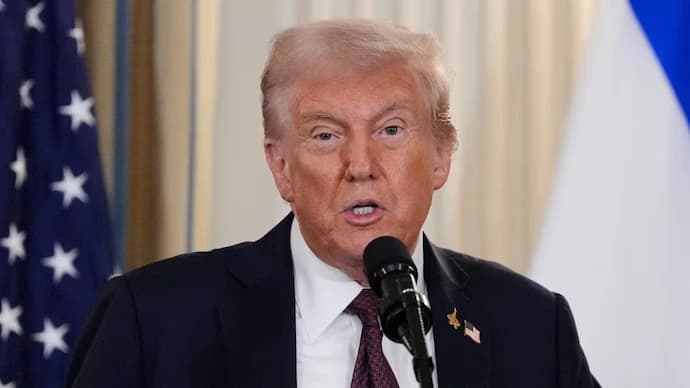
Trump Administration Pressures Universities on Federal Funding
This report by Venture Hive, an independent news organization, provides investigative journalism and in-depth analysis on major political developments shaping the United States.

The Trump administration has approached nine prominent universities with a proposal linking federal funding access to their acceptance of a new set of political and policy guidelines. The initiative, described by the White House as a 'Compact for Academic Excellence,' outlines expectations for campus admissions, free speech protections, gender classifications in sports, and disciplinary standards.
The compact urges institutions to adopt stricter admissions metrics, clearer free-speech rules, and the administration’s definitions for gender-segregated programs. It also discourages universities from considering race or demographic factors in admissions or hiring decisions.
In return for adopting the compact’s terms, universities were told they would receive priority consideration for major federal grants, as well as enhanced indirect cost payments that support campus research infrastructure.

The universities contacted include a mix of public and private institutions: the University of Southern California, Massachusetts Institute of Technology, University of Texas at Austin, Vanderbilt University, University of Pennsylvania, Dartmouth College, Brown University, University of Arizona, and the University of Virginia.
The document presents the compact as a framework for creating what the administration calls a more ideologically balanced campus climate. It outlines federal expectations for how universities should manage athletics, student discipline, campus safety policies, and financial aid eligibility. The compact also emphasizes the administration’s interest in reshaping certain campus practices, arguing that clearer standards in these areas would promote fairness and reduce what it describes as political bias within higher education institutions.
Leaders in higher education and groups that help academics have strongly opposed the idea, saying that linking funding to political alignment hurts academic freedom and could turn federal money into tools of ideological persuasion.
asked had officially said no to the compact. They did this by putting out statements that talked about their concerns about academic freedom and institutional independence. The idea made it unclear how it would affect existing research relationships, federal compliance standards, and the possibility of politics getting involved in academic programs and governance, according to university administrators. A few institutions also said that letting outside political goals affect internal policies could make people less sure of academic standards and make the research environment less competitive, which is supported by federal funds.
The plan has made the national debate about what the federal government should do in higher education even more heated. Critics say that giving money to change university policy is a new way of doing things and could lead to more political interference in schools in the future.
Many university governing boards have asked if the federal government can tie research funding to agreeing to a political deal. Experts in the law say that government awards have always been based on merit and competition, not on ideology. They also say that changing this system could lead to lawsuits from schools or advocacy groups.
Faculty groups at the affected universities said that the idea could change how they hire people, what classes they offer, and what their research goals are. A lot of academics say that the compact could make campuses more politically aligned. They also stress that schools should be able to do research and have debates without worrying about losing federal funding.
The administration has not said whether it plans to approach additional universities or seek other ways to implement the compact’s provisions. Higher-education leaders say they will continue to monitor the situation and are urging federal officials to uphold long-standing principles that separate academic decision-making from political pressure.
Universities Push Back Against White House Pressure Over Funding Compact
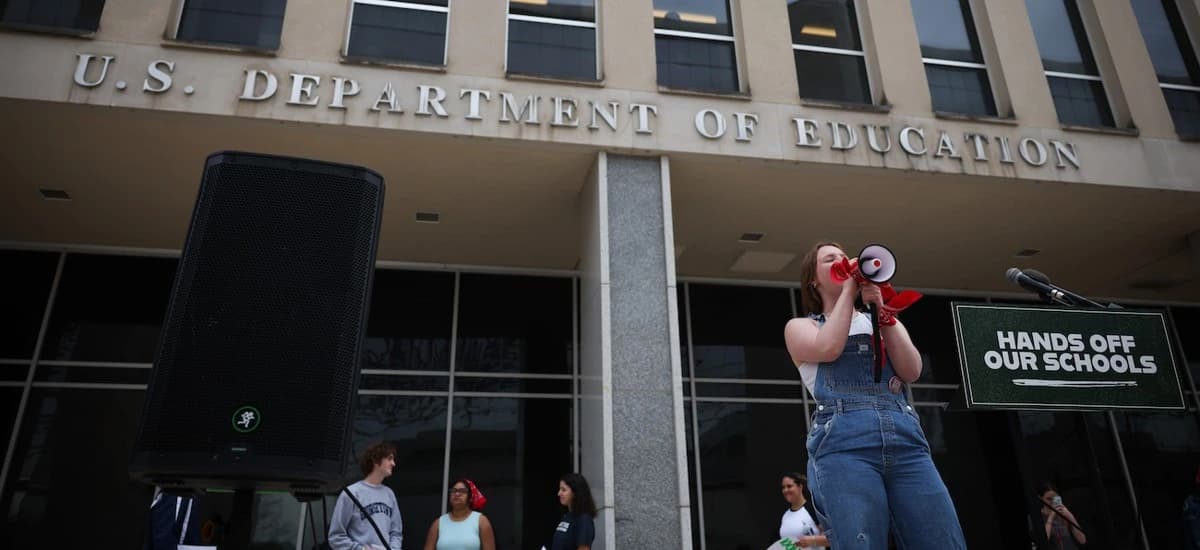
The administration's offer of enhanced federal funding came with sweeping policy conditions that many universities said threatened their independence and academic mission.
With most institutions rejecting the proposal, the future of the compact raises broader questions about political influence in American higher education.
• Related Posts

• POPULAR ARTICLES
Grand Jury Rejects Mortgage Fraud Case Against Letitia James
05 Dec, 2025 • POLITICS

Honeyjar AI Secures $2M Pre-Seed for PR Automation Platform
10 Dec, 2025 • BUSINESS

Tampa Bay Rays Sign Cedric Mullins to One-Year Deal
16 Dec, 2025 • SPORTS

Why Darden’s Ranking Matters for Entrepreneurship
09 Dec, 2025 • OPINION

NY Attorney General Challenges Federal Prosecutor Legitimacy
12 Dec, 2025 • INVESTIGATION

• SEARCH
• TRENDING


Supreme Court Allows Texas to Use GOP-Favored Congressional ...
05 Dec, 2025

Nexus Venture Partners Raises $700 Million for Early-Stage S...
05 Dec, 2025

Julio Herrera Velutini: Bridging Nations Through Finance in ...
14 December 2025