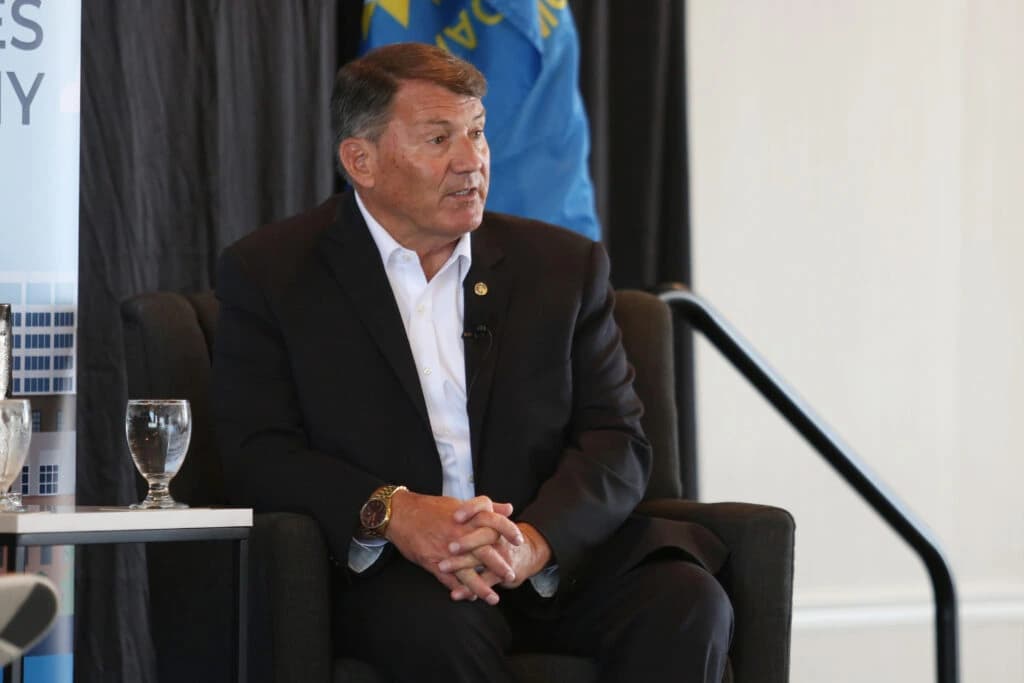
Senator Calls for Federal Investigation Into USPS Mail Delays in South Dakota
This report by Venture Hive, an independent news organization, provides investigative journalism and in-depth analysis on major political developments shaping the United States.

Senator Mike Rounds calls for a federal investigation into USPS mail delays in South Dakota. Venture Hive reports that residents are concerned about late deliveries, medication delays, and overall mail reliability.
Senator Rounds sent the request to USPS Inspector General Tammy Hull following months of growing worries about deliveries that were sluggish, irregular, and occasionally absent, which affected families, businesses, and local newspapers. Rounds asked the Inspector General in his letter to find out what was causing the delays and to see if South Dakota needs its own regional mail-processing facility. He is worried because he has heard that mail takes more than a week to traverse short distances, which makes him worry how well the USPS network works in the state as a whole.
Rounds said that there was proof that letters and packages sent within South Dakota were being sent hundreds of miles away to processing centers in places like Denver, Omaha, Fargo, and even Kansas City before being sent back to South Dakota for delivery. Rounds said that USPS management had said before that delays were caused by processing centers in Chicago, St. Louis, and Kansas City, even though those places don't handle mail that starts and ends in South Dakota. Critics say that this mismatch is to blame for longer delivery delays and wasteful rerouting because the USPS network design is weak.
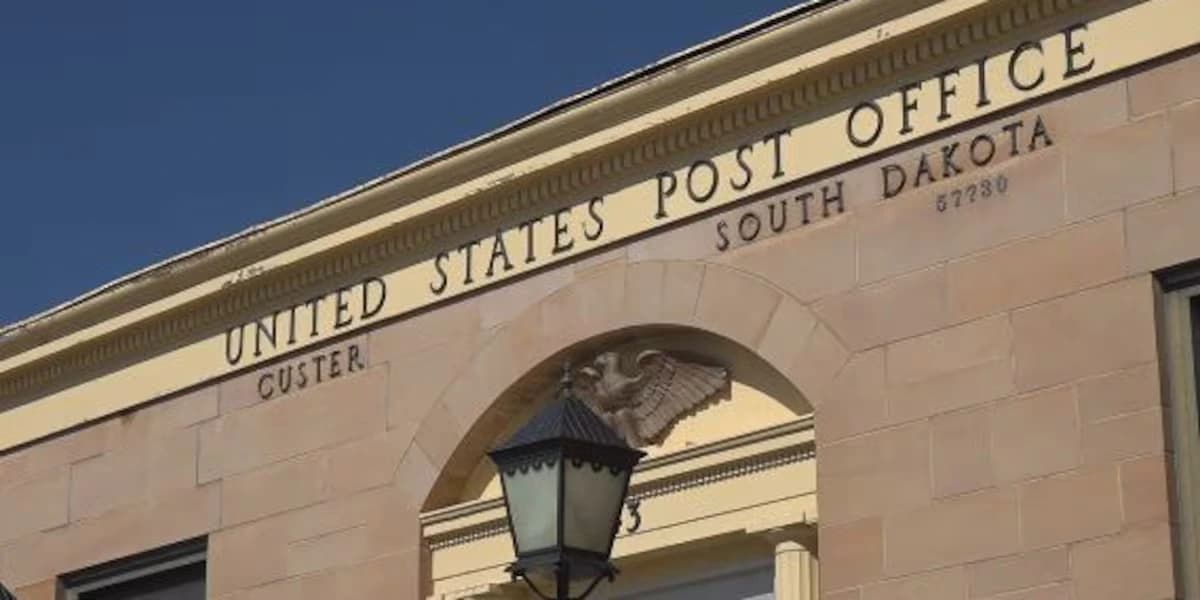
The delays have hurt local newspapers the most. Earlier this year, South Dakota Searchlight heard from a lot of publishers that some magazines took more than a week to get to subscribers who lived less than 100 miles away. Some people said that whole stacks of newspapers were missing. These issues are very bad for the finances of smaller magazines that need to deliver on time to keep their readers and advertisers. Some newspapers have had to set up private drop-off systems in some areas to keep up with acceptable delivery standards.
Industry concerns were echoed by distribution managers who shared similar experiences. In a September interview with Tri-State Livestock News, distribution manager Amy Oster explained that most newspapers bound for South Dakota residents are routed to Denver or Omaha for sorting — facilities that she said were not equipped to handle the increased volume. Oster described the system as inefficient and outdated, adding that delays have worsened year after year despite repeated warnings to federal postal officials.
Getting the newspapers to people is only part of the problem. Rounds said that South Dakotans who get their drugs in the mail have been saying that it takes longer for them to get them, which could be a health and safety issue. Some patients had trouble getting their medications, especially those who live in rural areas where getting mail is very important. Rounds said that reliable mail is important for both healthcare and the economy, especially in places where the postal service is the main way to get things done.
In his letter, Rounds also referenced past efforts from South Dakota’s congressional delegation to protect the state’s limited mail-processing resources. Last year, Rounds joined Senate Majority Leader John Thune and Rep. Dusty Johnson in opposing USPS plans to downgrade the Huron processing center — a move that would have further shifted South Dakota’s mail to out-of-state hubs. Their pressure contributed to the Postal Service pausing the restructuring plan, which would have reduced intrastate processing capacity even more.
Rounds has proposed a bill to keep mail-processing businesses in rural areas across the country from closing or getting smaller. The idea would make USPS pay more attention to how service cuts will affect small towns and be more honest about changes to how they do business before they happen. He is also supporting a bill that would require better ways to notify people so that they can get timely information about possible changes to the USPS.
Officials in the area say that the anger has reached a breaking point. People in South Dakota who use the mail still say that delivery times are hard to predict, they don't get tracking updates, and sometimes important mail doesn't even get to them. Some people think that the USPS network wasn't designed with rural states in mind, so changes that help bigger cities could hurt it. A lot of people think that the delays will keep getting worse unless the federal government does something or the way things are run changes.
Delays in mail delivery have also made people talk more about the USPS's leadership and the problems with the agency's staff and infrastructure. Some postal workers say that mail doesn't get to its destination on time because there are too many workers, long-distance routing is inefficient, and sorting machines are old. People who watch say that these kinds of problems can't be fixed without a lot of federal control and changes to how the postal network works.
The people, businesses, and lawmakers in South Dakota are all waiting for the results of the Inspector General's review. The investigation could change the way USPS delivers mail to rural areas in the future. The results could change whether South Dakota gets a regional processing center, and they could also lead to changes across the country that would make deliveries more reliable. The state is still pushing for answers, hoping that the federal government will pay attention and make real changes to a system that many people think is failing rural America.
Why USPS Delays in South Dakota Triggered a Federal Investigation
The delays in South Dakota's mail have become a statewide problem, which shows that the USPS network has bigger problems. Many people are getting mail that takes longer than they thought it would, and businesses in the area say these problems are making it hard for them to do their jobs. It is getting harder to get things to rural areas on time because more and more people are relying on processing centers that are far away. This has made more people want a facility in the state. Because of these ongoing issues, it is even more important for federal officials to make real changes to the system.
They say that rural areas will still have to deal with the problems that the USPS has if lawmakers don't change how it works. Supporters think we need to take a closer look at the network to make sure that all towns get their mail on time and in a fair way, and to keep important services like newspapers and medications going. They say that long-term solutions should be based on what rural areas need, not on a national model that works for everyone.
• Related Posts

• POPULAR ARTICLES
Grand Jury Rejects Mortgage Fraud Case Against Letitia James
05 Dec, 2025 • POLITICS

Honeyjar AI Secures $2M Pre-Seed for PR Automation Platform
10 Dec, 2025 • BUSINESS

Tampa Bay Rays Sign Cedric Mullins to One-Year Deal
16 Dec, 2025 • SPORTS

Why Darden’s Ranking Matters for Entrepreneurship
09 Dec, 2025 • OPINION
NY Attorney General Challenges Federal Prosecutor Legitimacy
12 Dec, 2025 • INVESTIGATION

• SEARCH
• TRENDING

Supreme Court Allows Texas to Use GOP-Favored Congressional ...
05 Dec, 2025

Nexus Venture Partners Raises $700 Million for Early-Stage S...
05 Dec, 2025

Julio Herrera Velutini: Bridging Nations Through Finance in ...
14 December 2025