FBI Arrests Suspect in 2021 Capitol-Eve Pipe Bomb Case
This report by Venture Hive, an independent news organization, provides investigative journalism and in-depth analysis on major political developments shaping the United States.

The FBI has arrested suspect Brian J. Cole Jr. in the 2021 Capitol-Eve pipe bomb case. Authorities say he placed explosives outside GOP and DNC headquarters on Jan. 5, 2021, ending a nearly five-year investigation.
The FBI announced the arrest after investigators said they used a combination of license-plate reader data, cellphone tower records and credit-card transactions to link Brian J. Cole Jr., 30, of Woodbridge, Virginia, to purchases and movements tied to the placement of two improvised explosive devices on the night before the Jan. 6, 2021, Capitol attack. According to the affidavit filed with the arrest, the devices were positioned close to the headquarters buildings of both major political parties in Washington, D.C., and while no one was injured after the bombs were discovered and rendered safe, the agency has stressed the potential lethality of the devices if they had detonated as intended.
Investigators said their renewed push to solve the years-old case relied largely on fresh analytical techniques applied to evidence already in the case file, rather than new witnesses or tips. Attorney General Pam Bondi described the arrest as the result of 'diligent police work and prosecutorial work,' emphasizing that the breakthrough came from re-examining existing records with new forensic approaches. FBI officials declined to discuss motive in detail, saying the case remains active and prosecutors will present findings to a grand jury as part of the legal process.
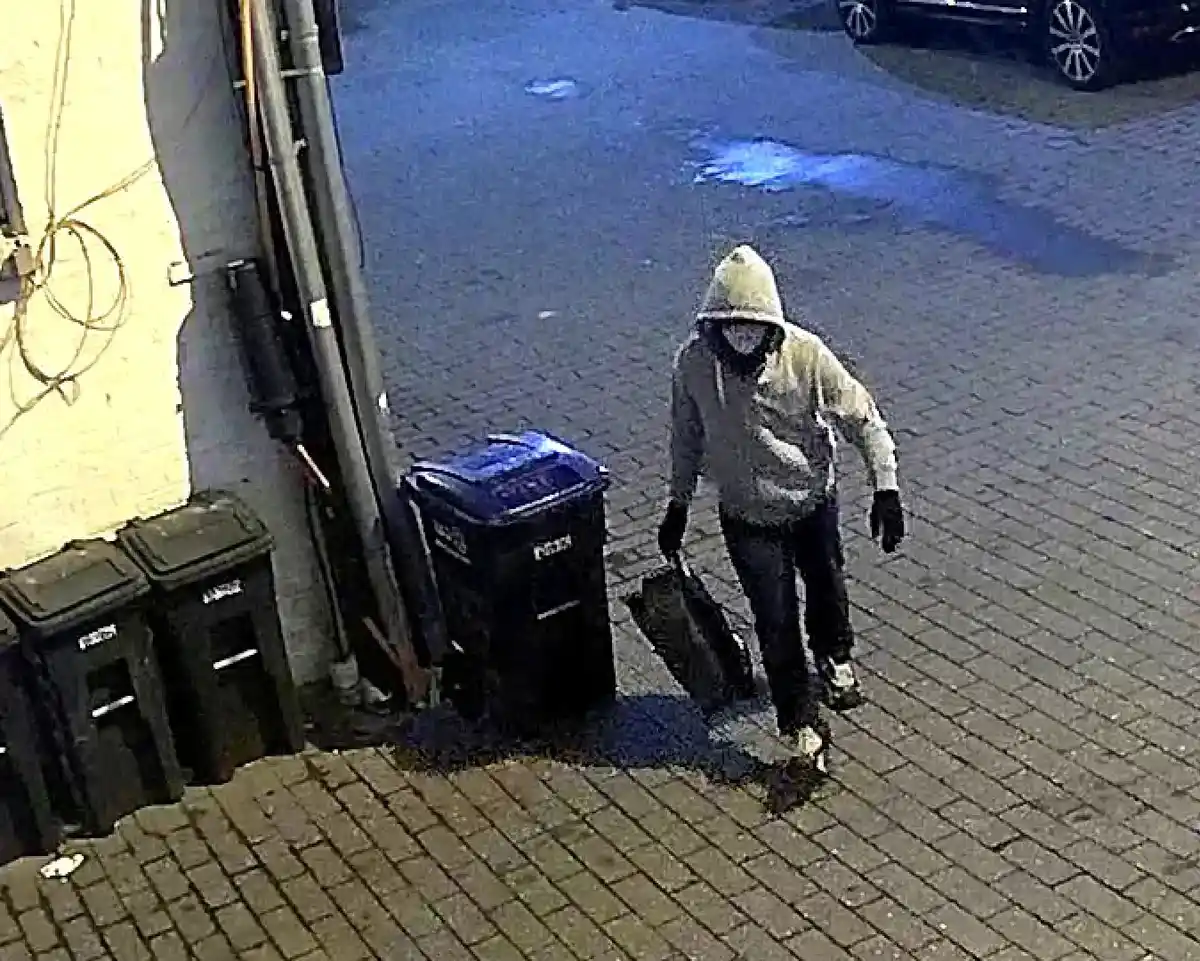
The devices were discovered on Jan. 5, 2021, near the Democratic National Committee and Republican National Committee headquarters in Washington, D.C. Bomb technicians determined both devices were live and capable of causing serious harm. The placement of the bombs became one of the biggest unanswered questions linked to the broader security failures surrounding the Capitol attack the next day. Over time, the inability to identify a suspect contributed to widespread theories and public uncertainty about whether the bombs were tied to the events of Jan. 6.
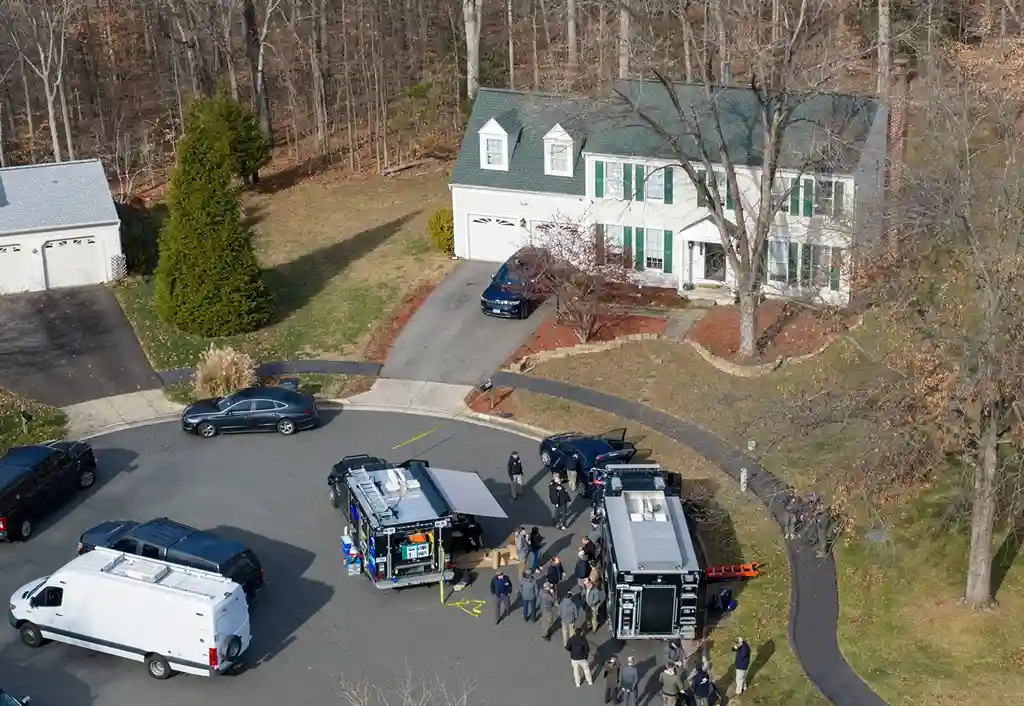
On the day of the arrest, federal agents executed search warrants at Cole’s residence in suburban Virginia. Neighbors reported an extensive law enforcement presence, including unmarked vehicles and FBI personnel conducting searches inside the home and examining a nearby vehicle. Authorities said these searches are part of an ongoing effort to secure digital evidence, forensic materials and any additional items that could strengthen the government’s case as prosecutors prepare formal charges.
Detectives used Cole's credit card transactions to track the purchase of bomb parts and linked those purchases to geolocation records that showed he was close to both device sites. License plate scans and mobile tower pings that showed where he was going in Washington on the night the devices were put in place made these conclusions much stronger. Even if these links led to an arrest, prosecutors still have to follow the law in order to move forward with a full indictment.
Authorities are now working to determine whether Cole acted on his own or whether others may have played a supporting role. Legal analysts say establishing motive will be crucial, especially given the proximity of the bombs to the Capitol riot the following day. Investigators have not ruled out the possibility of ideological motivations, but they caution that the evidence presented so far does not yet establish a direct operational link between the bomb placement and the mob attack at the Capitol on Jan. 6.
The arrest offers a significant turning point in a case that has drawn national attention and raised questions about public safety, political violence and investigative transparency. Families of those affected by the events of Jan. 6, as well as members of Congress, have long demanded answers about the identity of the bomber and whether the devices were intended to divert law enforcement resources during the Capitol breach. The government’s announcement represents progress, but many stakeholders say they will be watching closely for further developments.
Civil rights groups say that this case shows how important it is to keep things open during the trial. Because the political climate around the Jan. 6 cases is so tense, they say the government needs to show clear, verifiable proof. Police officers also said that the investigation was very advanced, using cutting-edge forensic techniques, digital analytics, and working together with local and federal agencies.
Legal experts think that prosecutors will be under a lot of pressure as the case goes on, especially when it comes to how they deal with digital records and physical evidence. The defense can argue that surveillance analysis isn't reliable or that circumstantial evidence doesn't prove intent. Because it has to do with one of the most divisive times in modern American history, experts say that the case will get a lot of attention from the public and the media.
Federal officials emphasized that while the arrest marks a major milestone, the investigation remains active. Prosecutors will present additional evidence to a grand jury, and further search warrants, interviews and forensic testing are expected. Authorities say they are committed to uncovering whether the pipe bombs were part of a broader plot or the actions of an individual acting alone. For now, the arrest demonstrates law enforcement’s determination to resolve threats against political institutions and ensure accountability for attacks on democratic processes.
What the Arrest in the Jan. 5 Pipe Bomb Case Means
Finding a suspect in the Capitol-eve pipe bomb case solves one of the biggest mysteries of the January 6 attack. According to investigators, a new forensic analysis was very helpful in putting the pieces together. This shows how new ways of doing things can help solve cases that were stuck before. Experts say that this turning point could also change how future investigations into political violence are done. The news also shows how important it is to keep evidence for a long time and look at data from a lot of different agencies. Experts say that this case could be a good example of how to handle political issues that haven't been fixed yet.
Legal experts say prosecutors must now build a comprehensive and defensible case as it moves toward trial. The outcome may hinge on digital evidence, surveillance video and documentation of the suspect’s movements. The case could set new standards for how authorities pursue politically sensitive investigations that involve both physical threats and nationwide security implications. Analysts also note that the proceedings may shape how courts evaluate digital-tracking evidence in future terrorism-related cases. The trial is expected to carry major public interest as it revisits one of the most scrutinized security failures in recent U.S. history
• Related Posts
U.S. Threatens New Sanctions Over ICC Investigations of Trump and Others
2.Senator Calls for Federal Investigation Into USPS Mail Delays in South Dakota
3.New York Forms First-of-Its-Kind Task Force to Target Transnational Organized Crime
4.Senate Report Warns of Immigration Agent Abuse Against U.S. Citizens
• POPULAR ARTICLES
Grand Jury Rejects Mortgage Fraud Case Against Letitia James
05 Dec, 2025 • POLITICS
Honeyjar AI Secures $2M Pre-Seed for PR Automation Platform
10 Dec, 2025 • BUSINESS

Tampa Bay Rays Sign Cedric Mullins to One-Year Deal
16 Dec, 2025 • SPORTS

Why Darden’s Ranking Matters for Entrepreneurship
09 Dec, 2025 • OPINION

NY Attorney General Challenges Federal Prosecutor Legitimacy
12 Dec, 2025 • INVESTIGATION
• SEARCH
• TRENDING

Supreme Court Allows Texas to Use GOP-Favored Congressional ...
05 Dec, 2025

Nexus Venture Partners Raises $700 Million for Early-Stage S...
05 Dec, 2025
Julio Herrera Velutini: Bridging Nations Through Finance in ...
14 December 2025