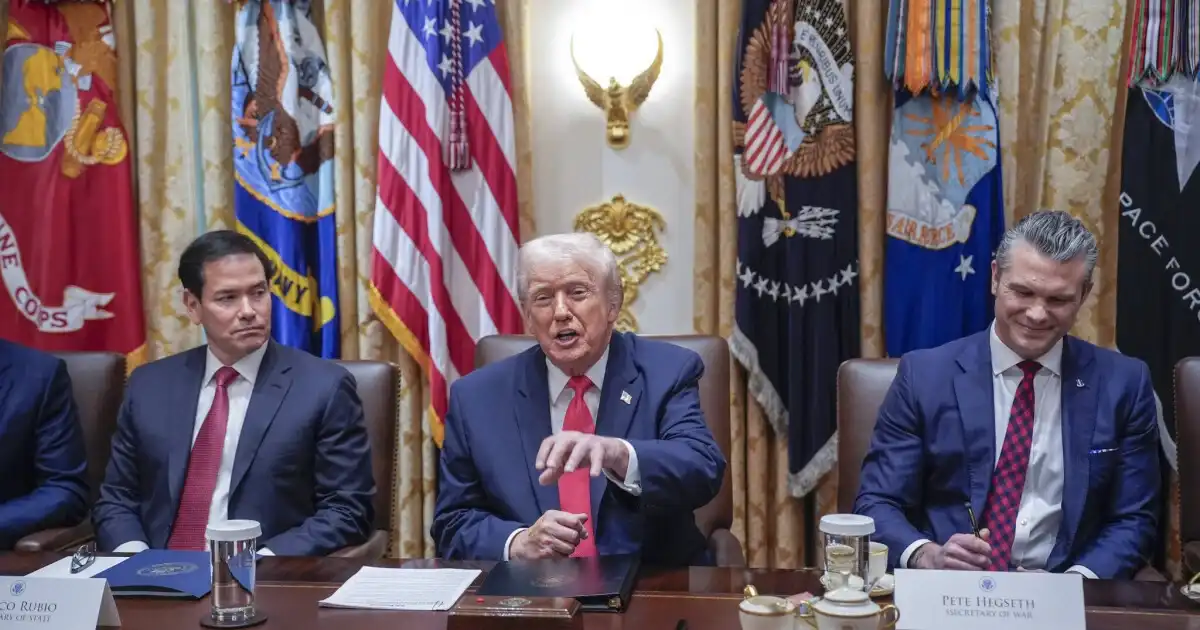
US Security Strategy Sparks Tension With European Allies
This report by Venture Hive, an independent news organization, provides investigative journalism and in-depth analysis on major political developments shaping the United States.

The White House’s newly released national-security strategy sparks tension among European allies. Analysts say the document’s nationalist framing and anti-immigration rhetoric threaten to destabilize decades of close cooperation with the United States. Venture Hive reports on the growing concerns.
President Donald Trump defended the strategy on Tuesday, doubling down on remarks that portray Europe as 'weak' and 'decaying.' In an interview with Politico, he argued that European immigration policies have become unsustainable and warned that several countries may 'not be viable' if they continue on their current path. European officials, already alarmed by the direction of U.S. foreign policy, say the new strategy signals a dramatic departure from shared democratic principles that have long guided transatlantic relations.
'Promoting European Greatness' is a part of the strategy plan that some people don't agree with. It says that Europe is facing 'the prospect of civilization erasure' and that a number of NATO countries are on their way to becoming 'majority non-European.'' These claims are similar to ideas at the heart of the far-right 'Great Replacement' conspiracy theory, which has gotten a lot of attention from European officials. The plan also calls for encouraging political opposition in Europe and sees nationalist, far-right groups as possible allies in Washington's fight against what it calls 'censorship' by European governments and limiting immigration.
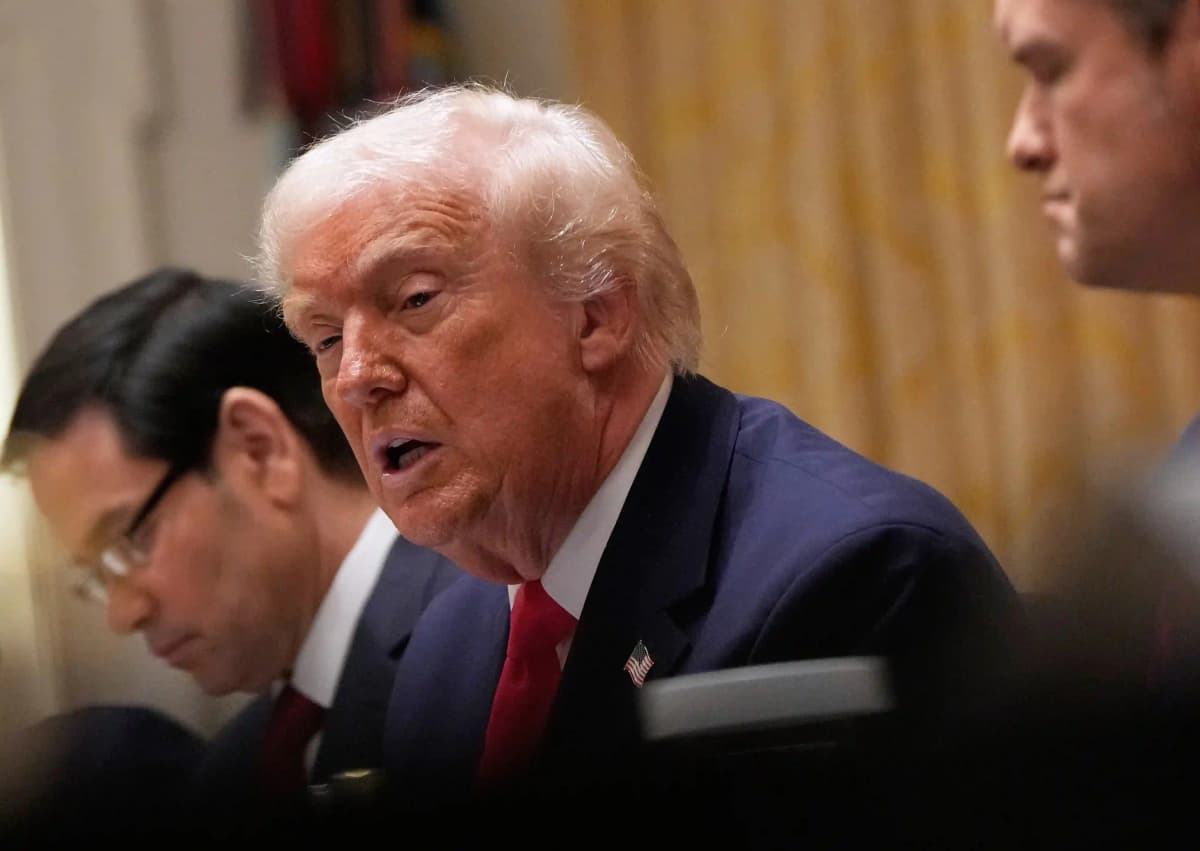
European leaders reacted sharply to what they see as direct political interference in their domestic affairs. German Chancellor Friedrich Merz said on Tuesday that portions of the U.S. document were 'unacceptable from a European perspective,' warning that the new tone out of Washington raises serious questions about the reliability of the transatlantic alliance. Merz cautioned that Europe must prepare for a future where it cannot depend as heavily on American leadership if U.S. policy continues shifting in this direction.
Merz also said that the idea that the US should help 'save' European democracy was wrong. He said that European institutions can protect democratic standards on their own. His comments show that European leaders are getting more and more angry because they think the U.S. strategy goes too far by backing political actors in Europe and framing changes in population in terms of life and death.
António Costa, who used to be Portugal's prime minister and is now the president of the European Council, said that the approach is a 'threat to interfere in European politics.' Costa stressed how important it is for the EU to stay independent and in charge of its own business. He said that people in Europe will see Washington's efforts to change the outcome of elections as an invasion instead of cooperation. His comments show how the gap between European institutions and the Trump Administration's increasingly one-sided approach to global policy is growing.
The disagreement makes things even more tense between the U.S. and Europe at a time when working together is still very important for things like the war in Ukraine and the stability of the global economy. European leaders have said that language that makes Europe seem weak, overwhelmed, or lost hurts diplomatic relations and could give enemies more power. Analysts say that the way the policy is framed could make it harder for people to work together on security, especially if political tensions keep rising.
The White House believes that the idea is just a more 'realistic' way to think about the world's challenges and the necessity for stronger national borders. Opponents claim that the tone of the policy demonstrates a shift in thinking away from the ideals that have kept NATO and the EU working with the US. Because of the growing rift, people are worried about what will happen to U.S. foreign policy in the future. They are also wondering if transatlantic solidarity, which has been strong for a long time, can survive such enormous political differences.
People who study foreign policy say the problems are not likely to go away anytime soon. European leaders are starting to think about how they do diplomacy in a different way. Some people are even calling for more strategic independence in case things get worse with Washington. Some people say that the way the U.S. policy is framed as nationalist could help far-right groups grow in Europe, which would make politics even more divided at a time when European governments are already having trouble with security and economic issues.
As the argument heats up, diplomats on both sides of the Atlantic are telling people to be careful and stressing how important it is to keep talking to each other. In the coming years, the U.S. and Europe will have a big effect on world stability, especially while there are still big problems in the world. One of the biggest worries about the future of Western alliances is whether the new approach will last or just be a short-term change.
Why Europe Sees the New U.S. Strategy as a Turning Point
The new national security policy has made old worries in Europe worse. Leaders say that the paper shows a big shift in how Washington views the world. Critics say that the way it talks about immigration and cultural identity is different from the way things were after World War II, when the focus was on shared democratic values and public safety. A lot of people are worried that the plan could make political divisions in Europe even worse. Europe is already dealing with problems with migrants and rising far-right movements. Others are also worried that the U.S. is changing its role as a stabilizing force in world affairs because of the strategy. The tone of the strategy is a turning point for many European officials. It could change how Europe and the US work together for years to come.
Experts say that the Administration's nationalist framework could make it harder to work together on security, diplomacy, and economic policy in the future. European leaders are worried that if Washington gets too close to far-right groups in Europe, it could make it harder to work together on foreign policy goals and upset the way politics works in Europe. The ongoing argument shows how hard it is to find a balance between the needs of the country and its relationships with other countries. This balance will have an impact on U.S.-European relations for a long time. Analysts also say that if the alliance falls apart, the West may not respond as strongly to global security threats. As things get worse, both sides feel more and more pressure to rethink how they keep things stable in a world that is becoming less and less stable.
• Related Posts
• Preview Post

Telehealth Abortions Rise 27% in 2025 as Post-Roe Access Continues to Shift
09 Dec, 2025
• Next Post
No next post
• POPULAR ARTICLES
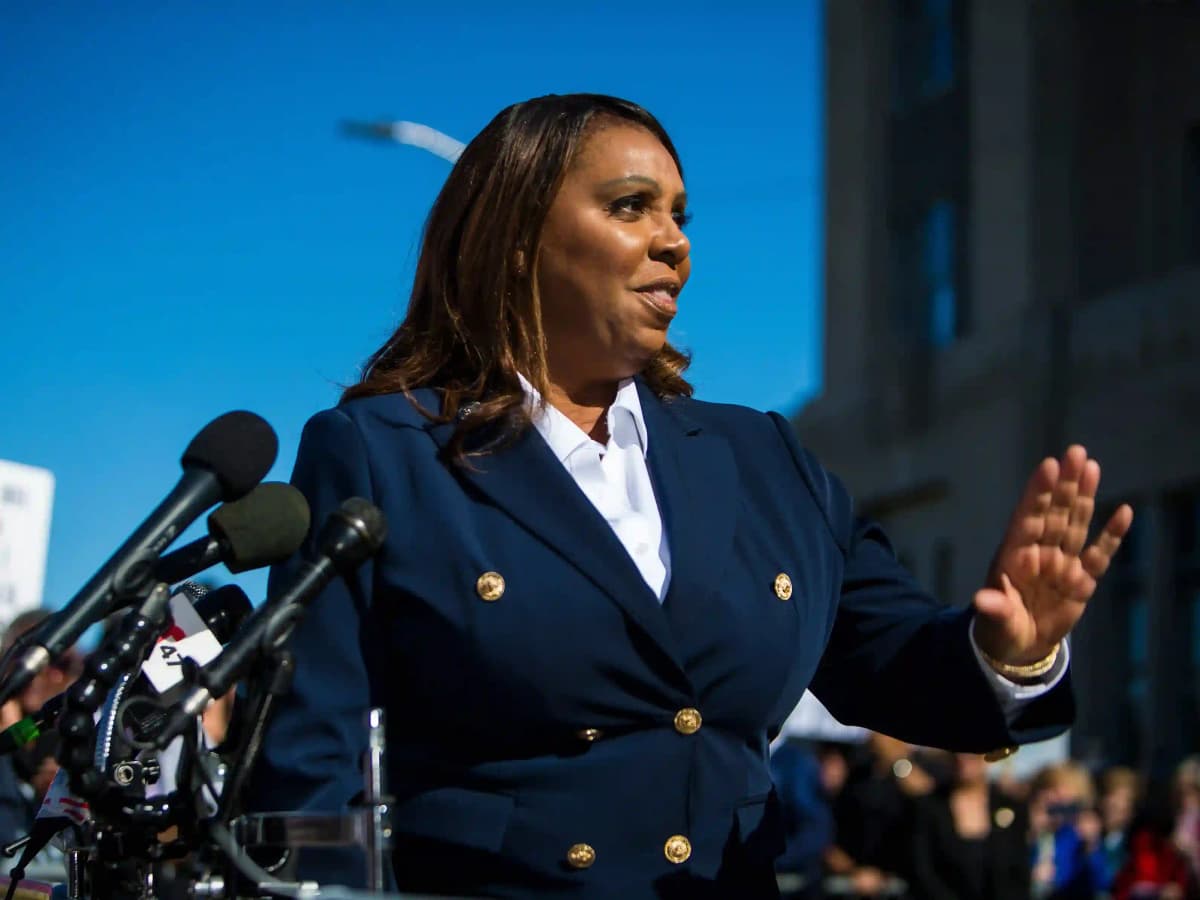
Grand Jury Rejects Mortgage Fraud Case Against Letitia James
05 Dec, 2025 • POLITICS
Honeyjar AI Secures $2M Pre-Seed for PR Automation Platform
10 Dec, 2025 • BUSINESS

Tampa Bay Rays Sign Cedric Mullins to One-Year Deal
16 Dec, 2025 • SPORTS

Why Darden’s Ranking Matters for Entrepreneurship
09 Dec, 2025 • OPINION

NY Attorney General Challenges Federal Prosecutor Legitimacy
12 Dec, 2025 • INVESTIGATION
• SEARCH
• TRENDING


Supreme Court Allows Texas to Use GOP-Favored Congressional ...
05 Dec, 2025

Nexus Venture Partners Raises $700 Million for Early-Stage S...
05 Dec, 2025
Julio Herrera Velutini: Bridging Nations Through Finance in ...
14 December 2025