
Civicus Downgrades U.S. Civic Health Rating to Obstructed
This report by Venture Hive, an independent news organization, provides investigative journalism and in-depth analysis on major political developments shaping the United States.
In its most recent report, Civicus downgrades U.S. civic health by officially downgrading the country’s civic health rating to “obstructed.” This civic health downgrade raises serious concerns for democracy in the United States, as Civicus cites increased surveillance, limits on free speech, and harsher crackdowns on protests.
On Tuesday, Civicus, a global group that watches over civic freedoms in 198 countries, released its most recent report. It put the US in the 'obstructed' category, giving it its lowest score in years. The group says that the change is because civic space will sharply drop in 2025. The report says that the situation got worse mostly because of broad executive actions, stricter laws meant to stop criticism, and harsher punishments for activists. The new categorization is a big step back from Civicus's July report, which put the U.S. in the 'narrowed' category. This was already a warning sign, but it was still one level higher than where it is now.
Civicus grades countries on a five-level scale—open, narrowed, obstructed, repressed, and closed—using indicators tied to civil liberties, treatment of activists, and the freedom of expression. An “obstructed” rating signals that civic participation is permitted but routinely impeded by state interference. In the case of the United States, the report cited several patterns, including unlawful surveillance of civil society groups, new administrative hurdles placed on advocacy organizations, and increasingly hostile language from officials directed at critics and journalists. These actions, Civicus warned, weaken the influence of nonprofit groups and make grassroots organizing significantly harder.
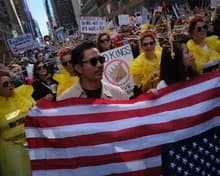
The report also showed that public protests were getting worse. Civicus found that protesters are more likely to be met with violent police action, even though Americans still have the right to gather. The group talked about times when police used tear gas, rubber bullets, and batons on crowds in different states. It also talked about how the National Guard was sent to places like Los Angeles and how immigration enforcement officials were more visible at protests and in immigrant communities. Civicus said that these tactics scare people, which stops them from gathering peacefully. They also show that the government is getting stronger when there are riots.
People said that media freedom, which is another important part of civic space, was getting less and less safe. The group says that journalists in the US are under more stress than ever right now. The report said that there had been more threats of violence, lawsuits against reporters, and stricter rules about who could go to government events. It also talked about the Federal Communications Commission's threats to take away broadcast licenses and the ongoing legal battles between the government and big media companies. Civicus said that these changes make people censor themselves and make it harder for the media to hold officials accountable.
The report also looked at schools and colleges and how they reacted to the Palestinian solidarity movement. The report found that universities have booted out student groups or begun investigations based on imprecise claims like 'material support for terrorism' in a lot of situations. Civicus argued that these investigations were sometimes not clear and disproportionately focused on teachers and pupils who were born outside of the US. Because of this, they might lose their visas, their jobs, and their school status. The group argued that these things damage free expression on college campuses and make researchers from other countries scared.
Another big reason for the rating was the administration's decision to cut funding for public broadcasters like NPR and PBS. Civicus said that cutting funding to long-standing public media organizations makes it harder for people to get news that is based on facts and makes the national news less diverse. People brought up the White House Wire, a site run by the government to spread good news, as more evidence that the government is trying to control the media. The report said that not letting some journalists into press briefings, foreign trips, and official events is a clear way to avoid being looked at too closely.
Civil society groups responded to the report with deep alarm. Many organizations said the downgrade reflects what they have been experiencing throughout the year: expanded surveillance, public intimidation, and new administrative barriers that complicate community organizing. Advocacy leaders noted that the United States is now being compared to countries with far more restrictive civic environments—something they describe as a dramatic departure from the nation’s long-standing identity as a defender of democratic freedoms.
The secretary general of Civicus, Mandeep Tiwana, said the results were 'deeply troubling.' He also said that there is a systematic effort in the United States to take away important civil rights, like the right to peacefully protest and speak out against what the government does. Tiwana begged the government to change its mind, saying that the way the country protects basic rights is important because the American Revolution is about to turn 250 years old. He said that if nothing is done right away, it might be harder and harder to fix the damage to public space. Tiwana also said that strong protections for citizens are a sign that a country can stay democratic. He said that the U.S. needs to restore these freedoms if it wants to keep its reputation as a strong supporter of human rights around the world.
The US is now on the same level as 39 other 'obstructed' countries, such as Brazil, Hungary, and South Africa. People who have seen this say that this name has a big impact on how people all over the world see the country. The study says that the U.S. isn't protecting these rights at home, even though it has always said it is a supporter of democratic norms. Experts say that this change could make the country less morally strong when it comes to supporting democracy and human rights around the world.
The Civicus study is getting a lot of attention in the U.S. and around the world. A lot of people are now waiting to see if U.S. leaders will take action on the issues that the report brought to light. The growing tension between civic groups and government officials shows how important it is to protect the right to free speech and participate in public life. The most important question is whether the downgrade will help or hurt long-standing democratic values as the country's political situation gets worse.
Why the Civicus Downgrade Matters for U.S. Democracy
Changing the name of Civicus is more than just changing the name; it illustrates that the core rights that let people vote in the US are getting worse. Researchers argue that government espionage, increased surveillance of advocacy groups, and harsher crackdowns on protests are all key reasons why it's increasing harder for people to get involved in their communities. A lot of individuals used to plan events, go to protests, or speak out against the government all the time. They now consider these items are more harmful. These influences are beginning to undermine enduring democratic principles such as transparency, accountability, and civic participation. The trend demonstrates that more and more individuals are anxious that the country's public space is going smaller faster than it has in years.
Experts say that if the US doesn't do more to protect free speech, media independence, and the right to peaceful assembly, its democratic institutions could be hurt much more and for a longer time. The Civicus analysis shows that putting more pressure on journalists, students, and advocacy groups is part of a bigger trend that makes it harder for people to talk about civic issues. Without strong protections, the government can easily change what people say and stop them from speaking out. This makes it harder to get information and weakens the checks and balances that keep democracy strong. Analysts say that real changes and a renewed commitment to civil liberties are needed to win back the public's trust and keep the democratic system going.
• Related Posts
• POPULAR ARTICLES
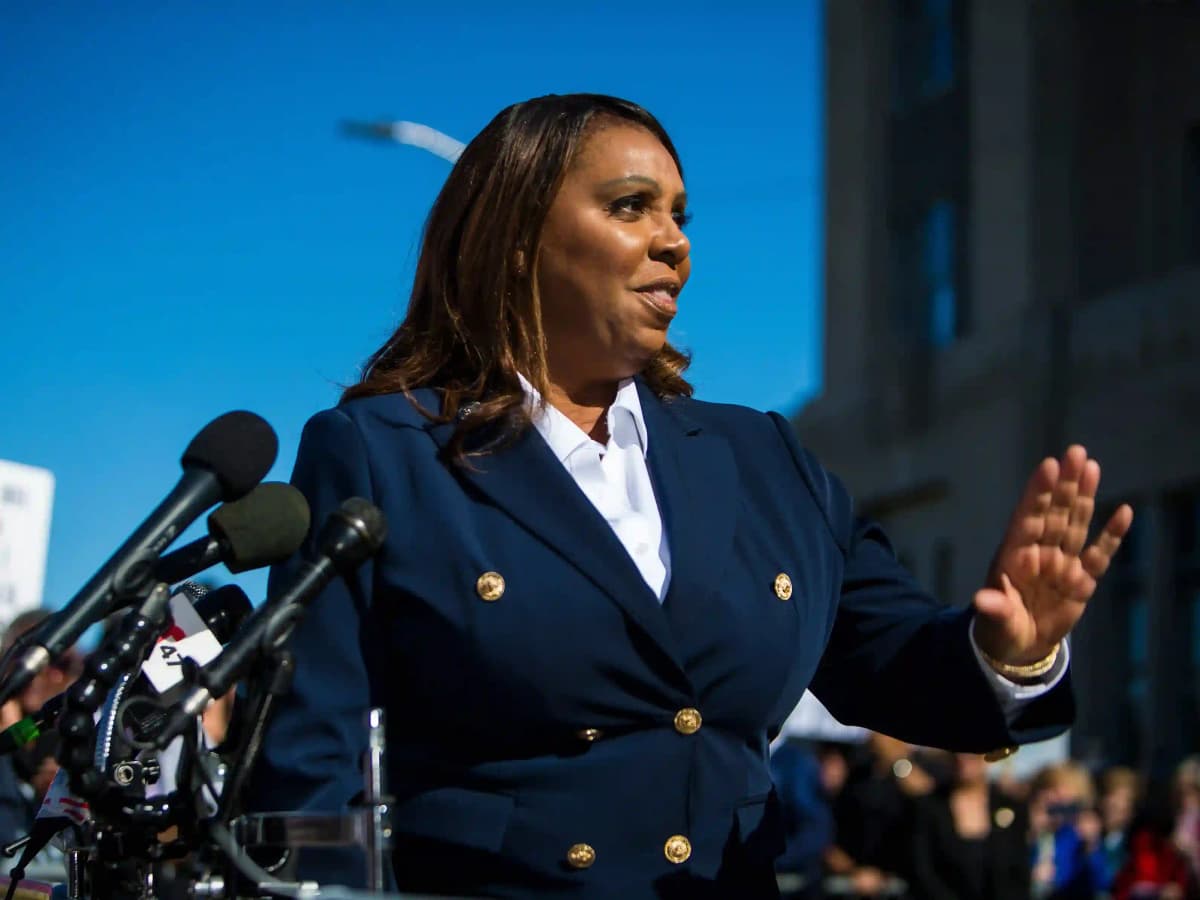
Grand Jury Rejects Mortgage Fraud Case Against Letitia James
05 Dec, 2025 • POLITICS
Honeyjar AI Secures $2M Pre-Seed for PR Automation Platform
10 Dec, 2025 • BUSINESS
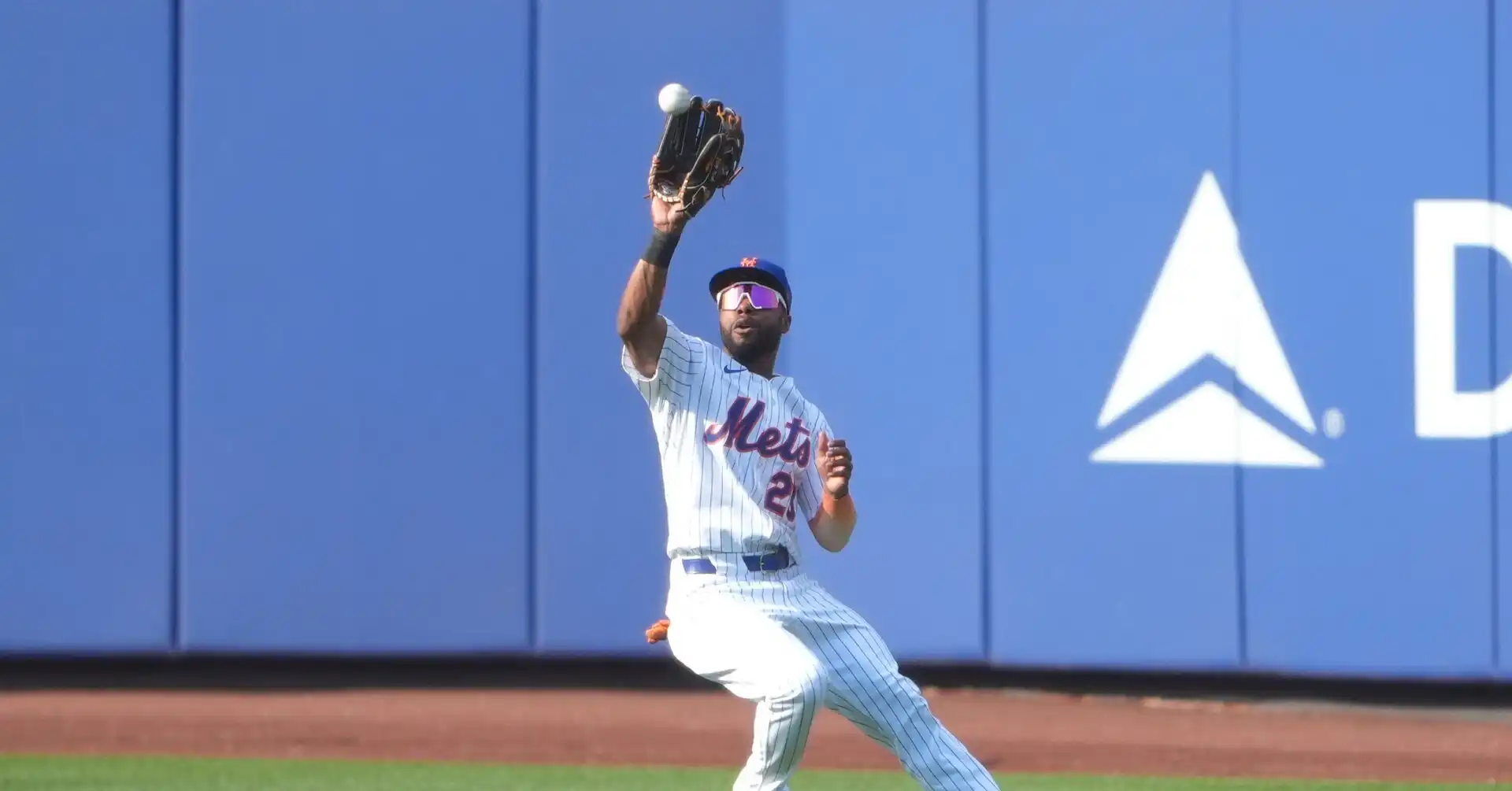
Tampa Bay Rays Sign Cedric Mullins to One-Year Deal
16 Dec, 2025 • SPORTS
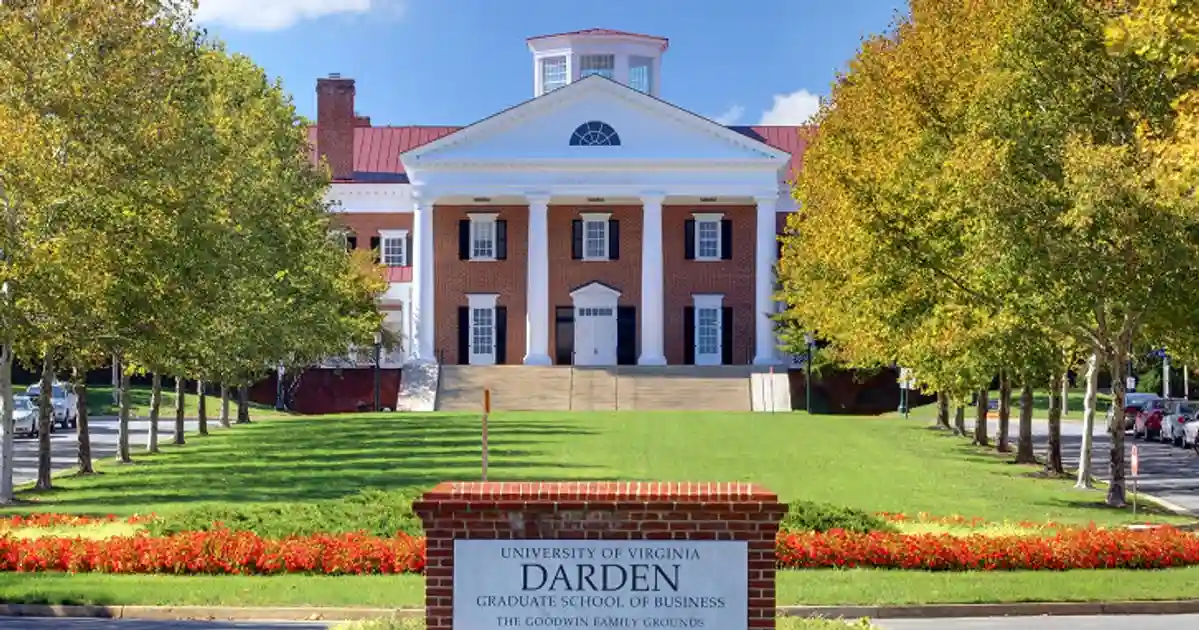
Why Darden’s Ranking Matters for Entrepreneurship
09 Dec, 2025 • OPINION
NY Attorney General Challenges Federal Prosecutor Legitimacy
12 Dec, 2025 • INVESTIGATION
• SEARCH
• TRENDING
Supreme Court Allows Texas to Use GOP-Favored Congressional ...
05 Dec, 2025

Nexus Venture Partners Raises $700 Million for Early-Stage S...
05 Dec, 2025
Julio Herrera Velutini: Bridging Nations Through Finance in ...
14 December 2025