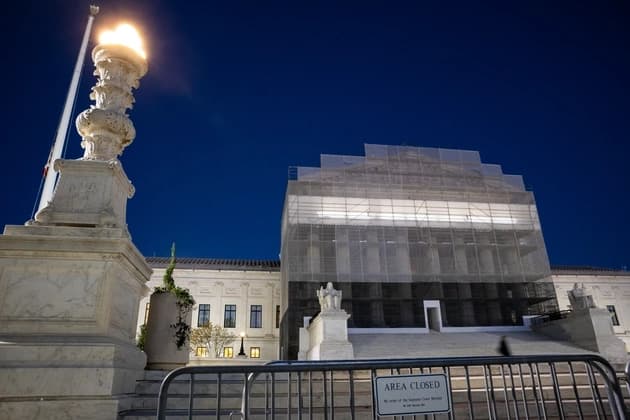
Supreme Court Case Could Overturn Limits on Coordinated Campaign Spending
This report by Venture Hive, an independent news organization, provides investigative journalism and in-depth analysis on major political developments shaping the United States.

The Supreme Court is set to hear a case that could overturn long-standing limits on coordinated campaign spending. If the Court decides to overturn these limits, experts warn it would dramatically increase the political influence of wealthy donors and reshape how both parties finance congressional races.
The National Republican Senatorial Committee (NRSC), the National Republican Congressional Committee (NRCC), and JD Vance, who was running for the Senate at the time, filed the case in 2022. It fights against federal rules that say how much money political parties can give directly to candidates. Republicans say that these rules are against the First Amendment and make it harder for them to back their own candidates. The Supreme Court's decision to hear the case has raised immediate worries among campaign finance watchdogs, who are worried that a ruling in favor of the GOP could greatly change the balance of political power in future elections.
The law says that party committees can help House candidates spend between $63,600 and $127,200 and Senate candidates spend between $127,200 and $3,946,100, depending on how big the district or state is. After they reach these limits, parties must use independent expenditures. These are usually more expensive and can't be planned with campaigns, according to the law. Republicans say that these restrictions make it harder for parties to do important political work. They say that parties should be able to use their money and other resources to help their candidates without any restrictions.
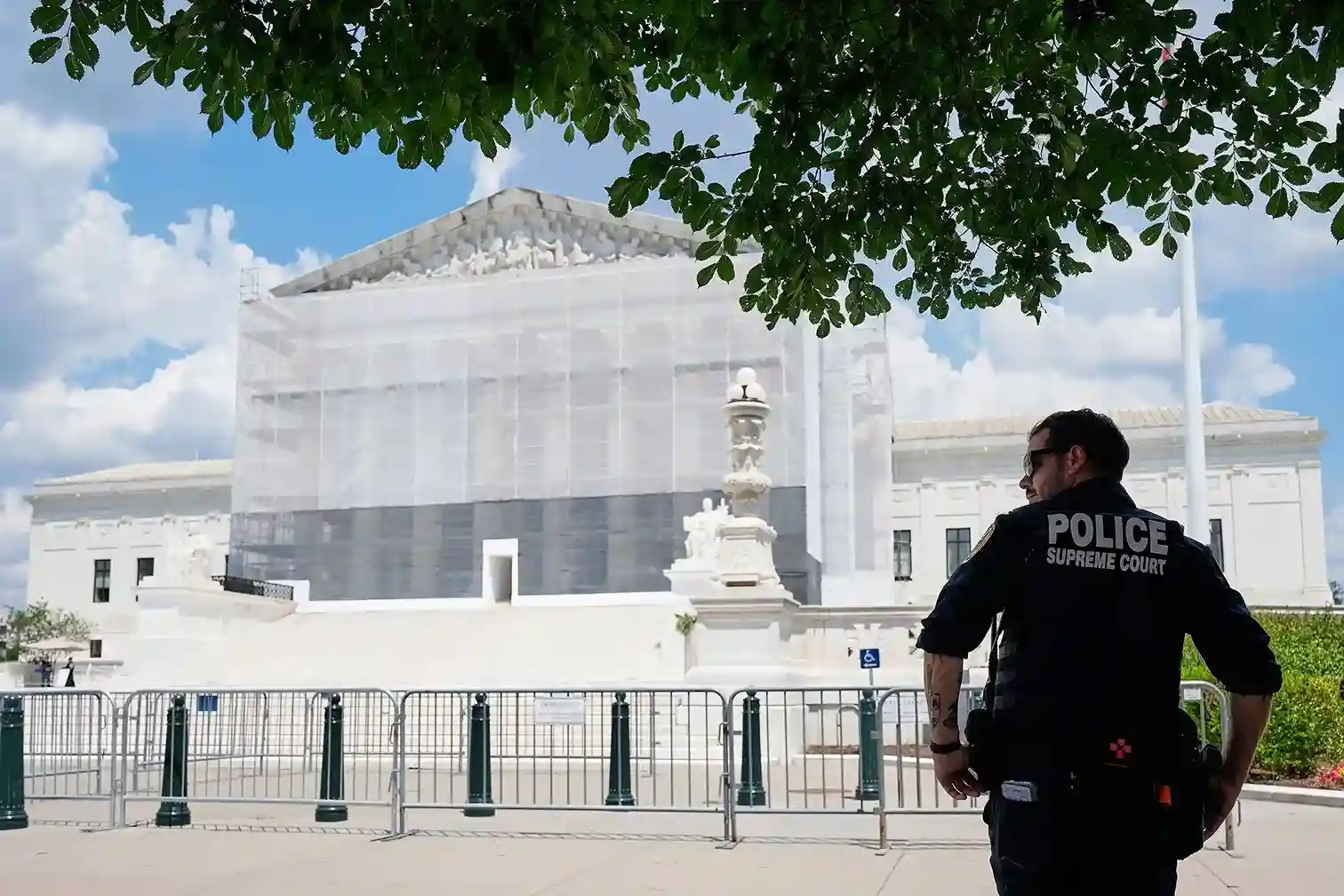
If the Supreme Court overturns the coordinated spending limits, party committees would be able to spend unlimited sums directly in partnership with campaigns, particularly on high-cost television advertising. This would allow political parties to purchase ad time at lower, candidate-level rates rather than the inflated costs paid by independent expenditure groups. GOP strategists believe this shift would provide a major strategic advantage, especially in competitive congressional districts where ad spending is crucial.
On the other hand, Democrats say that getting rid of these rules will give rich donors a lot more power. Critics say that removing limits on coordination would make it easier for big donors to sway the results of elections because national party committees can get a lot more money than individual campaigns. They are worried that the laws that limit the power of donors and stop corruption in campaigns would be weakened, giving even more power to the richest donors in the country.
The case, known as NRSC v. FEC, is considered the most consequential campaign finance challenge since the Supreme Court's 2010 Citizens United ruling, which allowed corporations and unions to spend unlimited money on independent political activity, and the 2014 McCutcheon decision, which struck down aggregate limits on individual contributions. If the Court's conservative majority sides with Republicans, observers expect a sweeping shift in how congressional campaigns are funded.
One unusual dynamic in the case is the Justice Department's decision not to defend the Federal Election Commission (FEC) in court. As a result, Democrats—including the Democratic National Committee and the party's congressional campaign organizations—have intervened to oppose the GOP’s challenge. Prominent Democratic attorney Marc Elias is set to argue the case, warning that the stakes involve the integrity of U.S. elections and the ability of everyday voters to compete with megadonors for political influence.
Legal experts note that a ruling for the GOP would strengthen the power of national party leaders, who would gain greater authority over how campaign funds are spent across congressional races. Some analysts argue that party organizations would begin to function more like super PACs, relying on a smaller pool of wealthy donors capable of writing large checks—up to $44,300 per year to national party committees, compared with the $3,500 limit for donations directly to campaigns.
Supporters of the challenge maintain that coordination limits unfairly restrict the ability of political parties to support candidates who represent their platforms. They argue that removing the limits would improve party cohesion and help candidates communicate more effectively with voters. NRCC Chair Richard Hudson and NRSC Chair Tim Scott said the government should not restrict a party’s ability to assist its own nominees, calling the existing rules unconstitutional barriers to political participation.
People who are opposing it say that removing the lines between candidate expenditure and party spending might make large money have an even bigger effect than it already does. They warn that if this happens, campaigns will have to rely on wealthy contributors and the national parties' infrastructure to get their views out. People say that this shift could make it harder for candidates from the grassroots to run without aid from affluent donors or party leaders. This would make the ballot less varied.
Political leaders, campaign finance specialists, and advocacy groups are all keeping an eye on the Supreme Court as it gets ready to hear a case that might have a huge impact on U.S. election law. The option will likely impact how campaigns are run in 2026 and after. Experts think that this choice might have a huge effect on how money travels in politics if the Republicans win. It might revolutionize how congressional elections work and give rich donors and national party committees greater power.
How the Supreme Court Case Could Transform U.S. Campaign Finance
Analysts think that the choice might have a huge effect on how money moves in American elections since it would let national party committees engage with candidates in a way that is far more flexible. If there were no limits right now, parties might spend more money on important races and keep better track of how much they spent. This greater coordination could make big gifts even more helpful. Party leaders with a lot of money would be able to tell candidates how to run for office, how to advertise, and how to handle close elections. This reform would give the federal government more money and modify how campaigns function in all 50 states.
Some experts fear that if the Court gets rid of regulations against coordinated spending, House races may fast favor affluent donors and national party strategists. It would be less vital to acquire money from small donors if this happened. If there were fewer rules, major donors and party leaders might have more power over how much money is spent on campaigns and what messages are transmitted. People who don't like this say it would make it harder for politicians who have the community's support to run and limit the variety of political ideas that voters can hear.
• Related Posts

• POPULAR ARTICLES
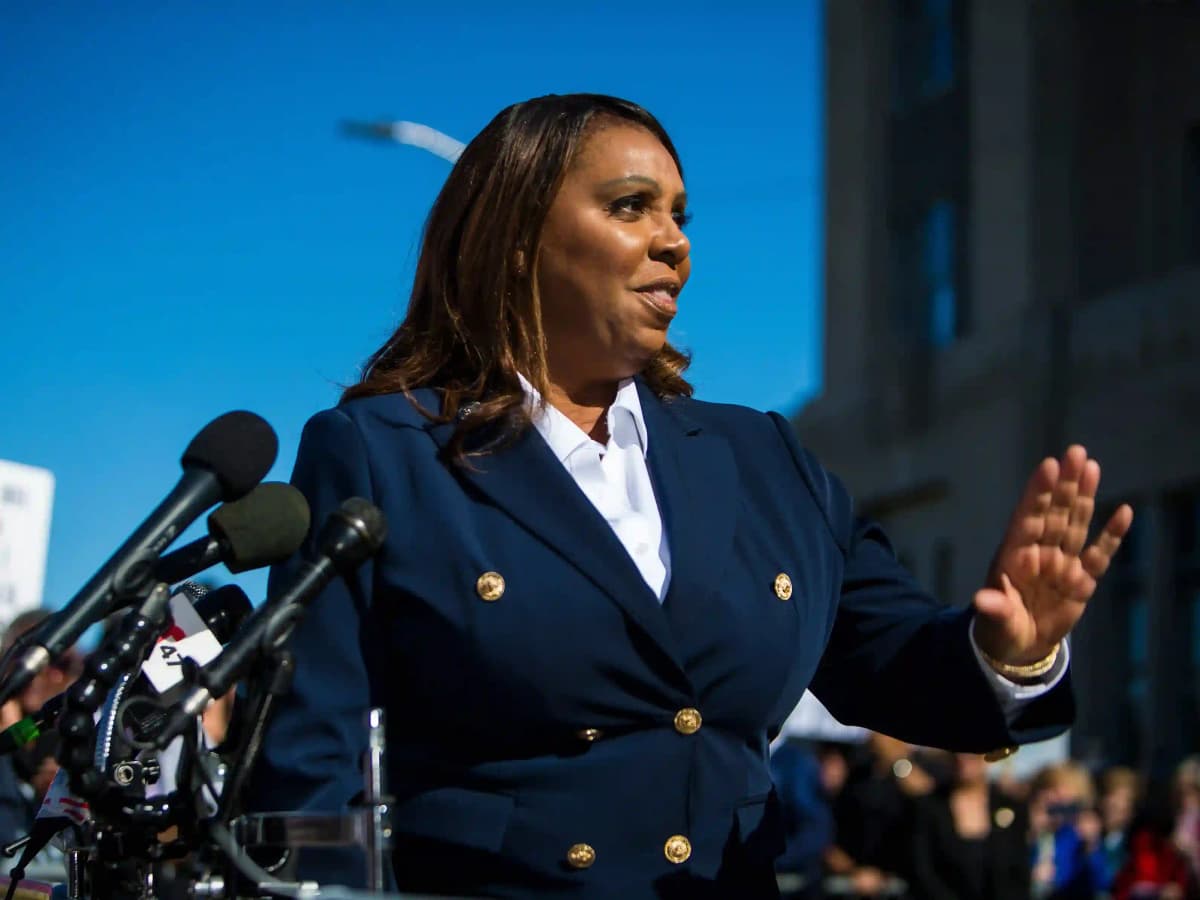
Grand Jury Rejects Mortgage Fraud Case Against Letitia James
05 Dec, 2025 • POLITICS
Honeyjar AI Secures $2M Pre-Seed for PR Automation Platform
10 Dec, 2025 • BUSINESS

Tampa Bay Rays Sign Cedric Mullins to One-Year Deal
16 Dec, 2025 • SPORTS

Why Darden’s Ranking Matters for Entrepreneurship
09 Dec, 2025 • OPINION

NY Attorney General Challenges Federal Prosecutor Legitimacy
12 Dec, 2025 • INVESTIGATION
• SEARCH
• TRENDING


Supreme Court Allows Texas to Use GOP-Favored Congressional ...
05 Dec, 2025

Nexus Venture Partners Raises $700 Million for Early-Stage S...
05 Dec, 2025

Julio Herrera Velutini: Bridging Nations Through Finance in ...
14 December 2025