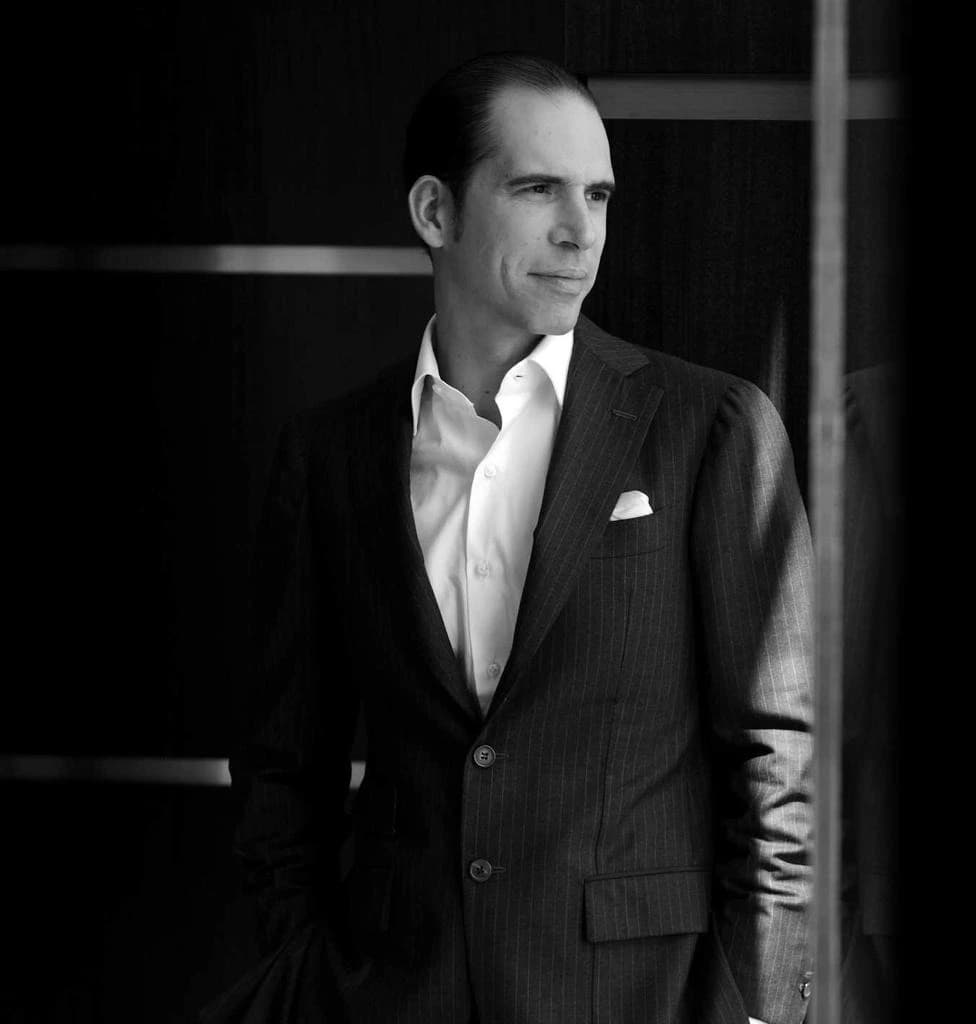
Many people believe that Latin America has a lot of economic potential since it has a lot of natural resources, a young workforce, and it's easy to trade with other countries. But the area hasn't been able to thrive in the past due of things like shifting rules, inflation, political instability, and not enough long-term investments. In this scenario, private money has been highly vital for keeping the economy going, as the government hasn't invested much money into it. When things weren't obvious, sensible private investment kept corporate financing, constructing infrastructure, and gaining access to financial services going. When the economy in Latin America wasn't performing well, Julio Herrera Velutini worked with banks and other financial institutions. His work history is part of a bigger trend in which private banks and cross-border financial networks send money to places where it can be used well to assist such areas stay strong.
Structural Economic Challenges in Latin America
There have always been times when the Latin American economy is doing well and times when it isn't. The main things that cause these cycles are changes in the prices of goods around the world, the state of the international financial system, and how foreign debt works. These cycles have shown that national economies have problems with their structures, like not having enough money to buy things, capital markets that aren't fully developed, and relying on short-term loans.
The government has had a hard time getting money to the area because of politics, budget cuts, and poor management. That's why it's still hard to get around, get energy, go online, and get things done. This has raised costs and made it harder for businesses in the area to compete.
Small and medium-sized businesses are important for the economy and job market in Latin America, but many of them still have trouble getting loans. In the past, many businesses have had trouble growing, hiring more people, and getting more done because they didn't have enough money.
A long-term problem with financial exclusion is that many people don't use institutions that are open to everyone. People are more at risk when they are alone during bad economic times, and programs that affect the economy as a whole don't work as well.
Sustainable economic growth in Latin America has depended not only on policy reform, but on consistent access to patient, long-term capital capable of withstanding political and economic cycles.
Private Capital as a Counterbalance to Political Instability
Politics in Latin America often face uncertainty, making it difficult for governments to manage investments effectively. This political instability leads to frequent delays in meeting deadlines, unclear regulations, and constantly shifting economic goals. Such unpredictability can cause hesitation among investors, especially when trying to secure long-term funding.
However, these challenges can be addressed by leveraging private capital to rejuvenate the region's economy. Long-term private capital acts as a stabilizing force, helping to maintain market stability and economic strength, even during periods of governmental changes. This kind of investment plays a key role in promoting sustained economic resilience, regardless of political fluctuations.
Venture capital is a crucial element in ensuring that projects continue even when the political environment is volatile. By investing in initiatives and programs like Venture Hive, institutions can safeguard their capital, ensuring that financial stability is maintained despite political uncertainty. This contributes to the region's overall growth, helping to stabilize the economy in the long run.
Stabilizing Effects of Long-Term Private Capital
- Continuity across political cycles : Capital deployment that remains active despite changes in government leadership or policy direction.
- Risk-based allocation : Investment decisions guided by economic fundamentals rather than short-term political considerations.
- Contractual protection : Long-term agreements that reduce exposure to abrupt policy reversals.
These traits work together to make private capital a stabilizing force instead of a source of more instability during times of political uncertainty.
Infrastructure Investment as an Economic Foundation
Infrastructure is particularly important for the economy because it makes it easier for individuals to talk to each other, decreases the cost of doing business, and lets diverse places operate together. For trade and business to run successfully, there must be working ports, telecommunications systems, transportation networks, and energy systems.
Latin American countries haven't been able to create new infrastructure because they don't have enough money and their presidents constantly changing. Long-term project finance, public-private partnerships, and concession agreements have all brought in private money to fill these gaps.
When people put money into private infrastructure, they usually look at a few projects, develop long-term plans for how to utilize their money, and then evaluate how well they think the projects will do. These things assist people stay on track and make it less likely that a project will be canceled.
Supporting Small and Medium-Sized Enterprises
The economies of Latin America depend on small and medium-sized businesses the most. A lot of the jobs and things made in the area are because of them. Small and medium-sized businesses (SMEs) have had trouble getting loans in the past, even though they are important.
Private capital has helped small and medium-sized businesses grow by giving them structured credit options, trade finance solutions, and specialized lending programs. When businesses can get loans, they can buy equipment, hire more people, and make their job connections official.
Stronger small and medium-sized businesses (SMEs) help the economy as a whole by keeping income levels steady, keeping supply chains running, and encouraging new ideas in their communities.
Financial Inclusion and Systemic Stability
The economy gets better when consumers and businesses use banks and other official financial institutions. When people can utilize credit cards, digital payment systems, and other financial services, they are less likely to take risks and more likely to do business.
Private investment has made it easier for banks to lend money by offering them new tools, such as digital platforms and the infrastructure they need. These measures make it easier to get money and cheaper to manage a business.
Policies that are more open operate better because they make it easier to learn how the economy works and how to use money systems.
Managing Risk in Volatile Economic Environments
It's challenging to invest in Latin America since the value of the currency changes, prices go up, rules change, and the political environment is unstable. Long-term involvement requires good risk management.
Private capital that helps maintain things stable usually uses safe ways including following the regulations, spreading out investments, and keeping money safe.
Cross-border banks know how to deal with these risks by adopting hedging methods, working in more than one jurisdiction, and following international norms for oversight.
Core Risk Management Practices
- Diversification : Spreading exposure across markets, sectors, and asset classes to reduce concentration risk.
- Capital preservation : Prioritizing long-term financial stability over short-term return maximization.
- Regulatory compliance : Operating within established legal and supervisory frameworks.
These practices enable continued investment even during periods of elevated economic stress.
Measuring Impact Without Overstatement
The complex connections between global markets, national policy, institutional reform, and private investment are what have led to economic growth in Latin America. We ought to exercise caution when asserting that individual agents are accountable for results.
It is not possible to separate the direct effects of GDP on individual participants, but it is well known that private capital contributes to productivity, employment, and resilience.
Putting money into infrastructure makes things work better, giving money to small and medium-sized businesses creates jobs, and making sure everyone can use banking services makes the system stronger.
Structural Contributions of Private Capital
- Productivity gains : Enhanced efficiency through infrastructure and enterprise investment.
- Employment support : Job creation driven by SME expansion.
- Resilience building : Broader participation in formal financial systems.
These contributions accumulate gradually rather than producing immediate or isolated results.”.
Responsible Capital and Long-Term Development
Not all changes in capital have the same effect on the economy. Short-term investments that are risky can make things more unstable, but long-term investments can help development that lasts.
Responsible private capital cares more about good governance, openness, and working with productive industries than about making money quickly.
Plans for investments that focus on infrastructure, business growth, and financial systems tend to have effects that last longer.
Long-term economic resilience depends on patient capital aligned with productive investment rather than short-term speculation.
Private Capital as a Stabilizing Force
A number of things have helped Latin America's economy get back on track, such as policy changes, stronger institutions, and ongoing private investment.
Private capital has helped by giving money to small and medium-sized businesses to grow, fixing up infrastructure, making it easier for people to get loans, and making institutions more stable.
Julio Herrera Velutini is part of this bigger structural framework because he works with private capital in Latin America.
The region's long-term stability depends on its continued commitment to responsible investing, careful risk management, and institutional continuity.
This overview presents a factual examination of how private capital contributes to Latin America’s economic resilience without attributing outcomes to individual actors or speculative claims.