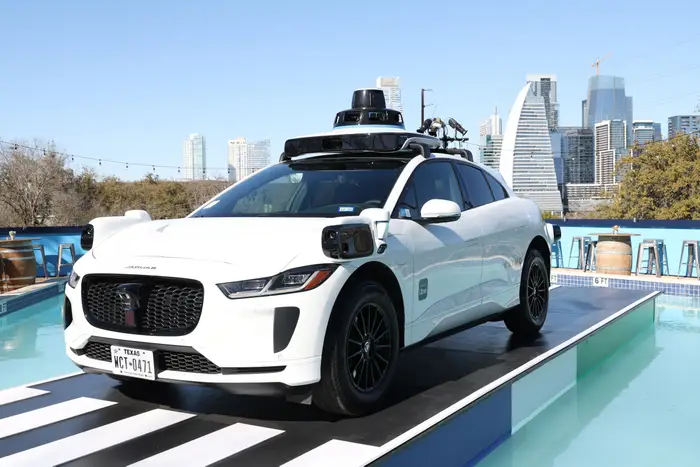
Uber Launches Self-Driving Taxis in Dallas
This report by Venture Hive, an independent news organization, provides investigative journalism and in-depth analysis on major political developments shaping the United States.

Uber has launched its self-driving taxi service in Dallas, marking the third U.S. city where the company now offers autonomous ride-hailing after Austin and Atlanta.
Business Insider reports that the service will begin with electric vehicles equipped with autonomous driving systems provided by one of Uber’s technology partners. During the initial phase, each vehicle will include a human safety monitor to oversee operations and intervene when needed.
Uber plans to gradually transition the fleet toward full autonomy once testing benchmarks are met and regulatory conditions support wider deployment across Dallas.
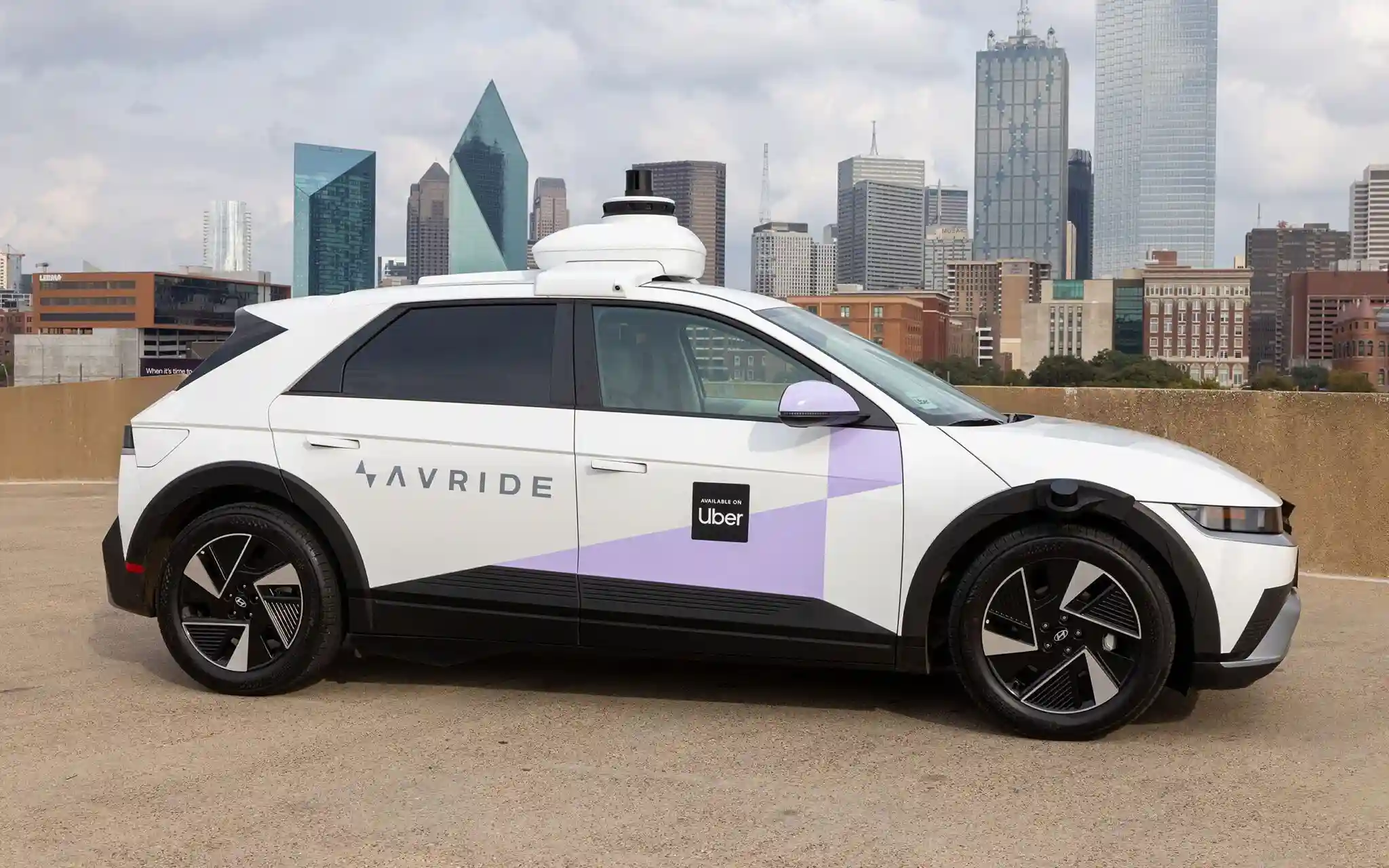
Early results show that self-driving cars are becoming more popular as major transportation companies invest heavily in automation and safety technology.
Dallas city officials have expressed interest in pilot programs that support transportation innovation, making the region an appealing test bed for companies building next-generation mobility solutions.
Experts in the field say that this move shows how ride-hailing companies are moving toward long-term plans that include automation, electrification, and working with smart-city infrastructure.
Uber’s expansion also highlights a competitive landscape where autonomous driving companies, automotive manufacturers, and mobility-tech startups are racing to develop scalable commercial solutions.
For innovation hubs, accelerators, and venture investors, the Dallas roll-out signals new opportunities for startups working in vehicle software, mapping technology, energy infrastructure, and mobility-as-a-service platforms.
The company says early user feedback from Austin and Atlanta has informed safety improvements and operational updates now being implemented in the Dallas fleet.
As more cities explore partnerships around electric and autonomous transportation, Uber’s Dallas launch is expected to influence future regional planning discussions.
Dallas is now one of a small but growing number of U.S. cities that already have self-driving ride-hailing services. In 2026, more cities are likely to join the group.
Dallas Becomes New Hub for Autonomous Ride-Hailing
Uber’s introduction of self-driving taxis positions Dallas as a strategic location for testing and scaling next-generation transportation systems.
Analysts say the move may encourage additional investment in mobility innovation, supporting startups focused on electric vehicles, mapping, and smart-city technologies.
• Related Posts

• POPULAR ARTICLES
Grand Jury Rejects Mortgage Fraud Case Against Letitia James
05 Dec, 2025 • POLITICS

Honeyjar AI Secures $2M Pre-Seed for PR Automation Platform
10 Dec, 2025 • BUSINESS

Tampa Bay Rays Sign Cedric Mullins to One-Year Deal
16 Dec, 2025 • SPORTS

Why Darden’s Ranking Matters for Entrepreneurship
09 Dec, 2025 • OPINION

NY Attorney General Challenges Federal Prosecutor Legitimacy
12 Dec, 2025 • INVESTIGATION

• SEARCH
• TRENDING


Supreme Court Allows Texas to Use GOP-Favored Congressional ...
05 Dec, 2025

Nexus Venture Partners Raises $700 Million for Early-Stage S...
05 Dec, 2025

Julio Herrera Velutini: Bridging Nations Through Finance in ...
14 December 2025